 Large selection
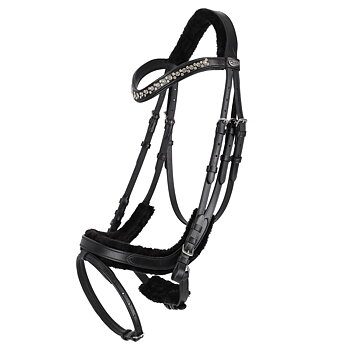
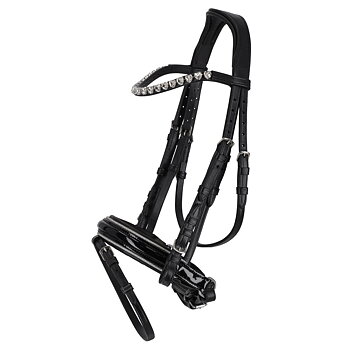
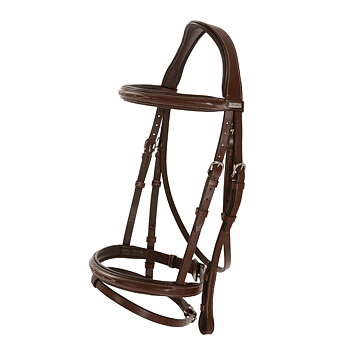
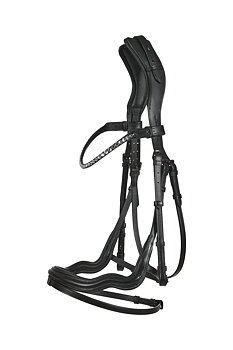
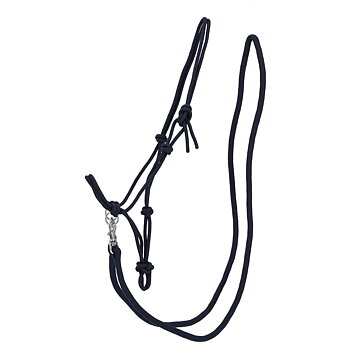

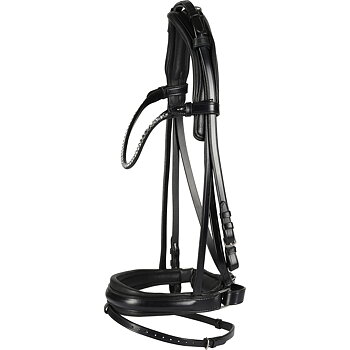




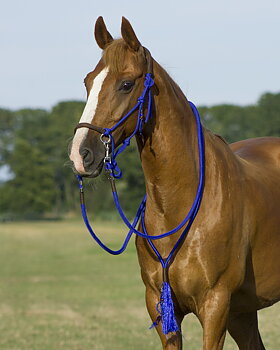
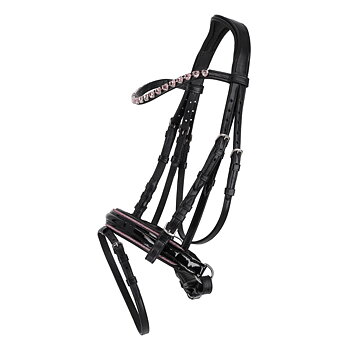
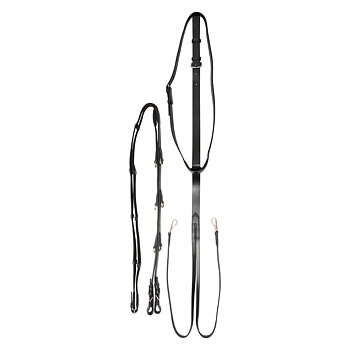
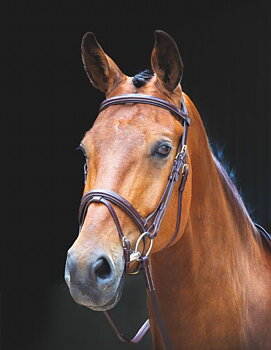

Horse Bridles
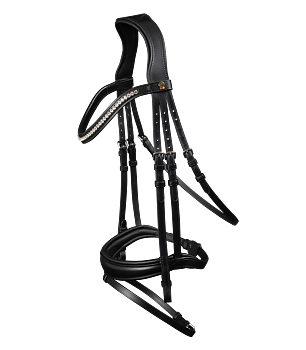
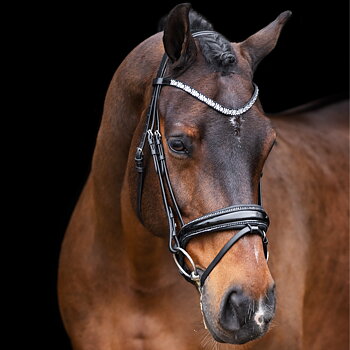
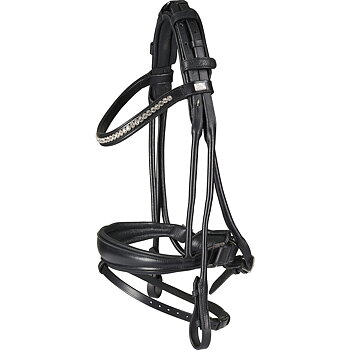
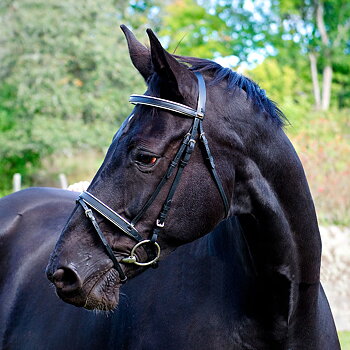
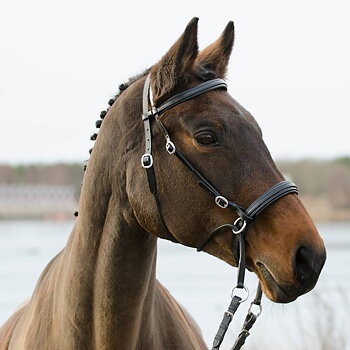
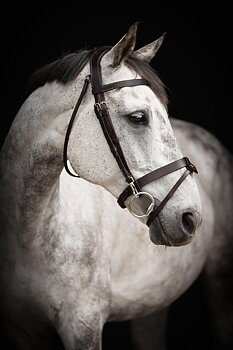
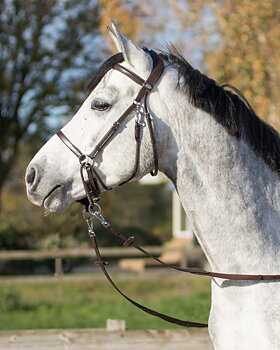
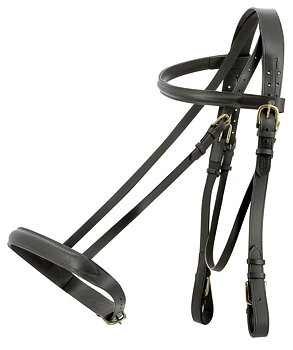
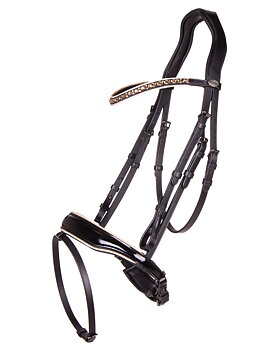
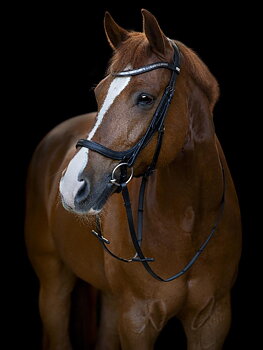
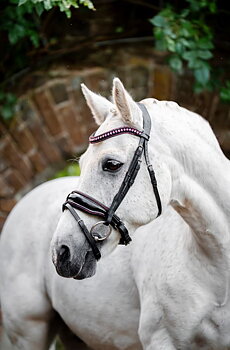
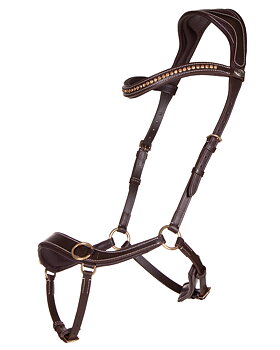
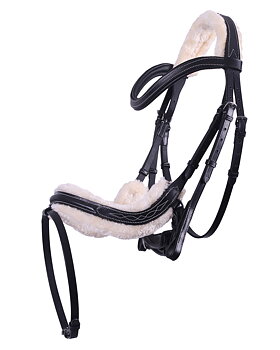
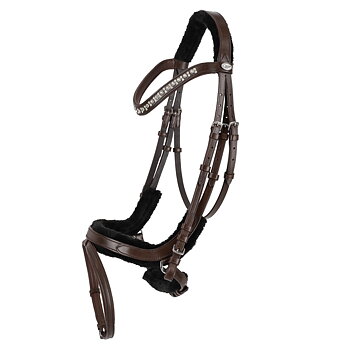
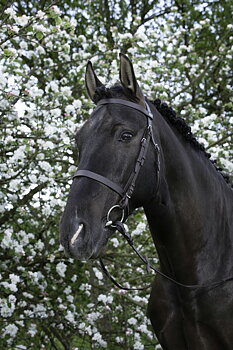
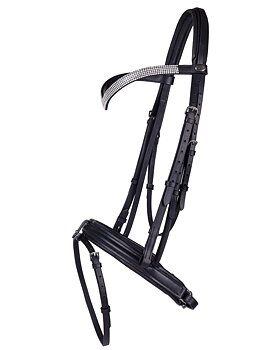
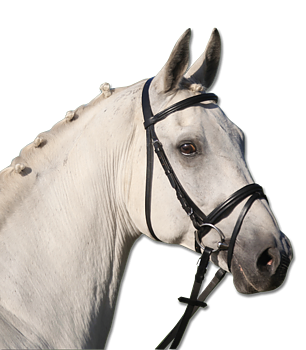
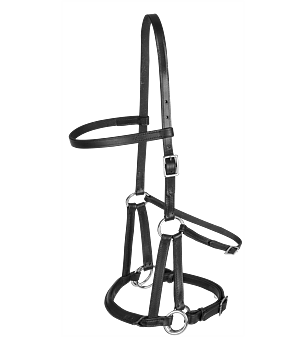
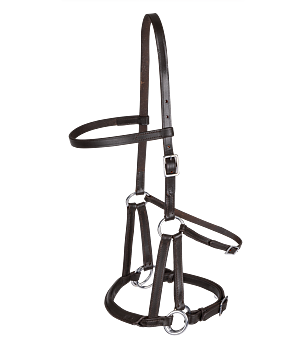
A bridle is the rider's most important tool for communicating with the horse — it transmits signals from hand to mouth in a nuanced and precise way. Our range of horse bridles covers all disciplines and requirements: classic leather bridles for dressage with double nosebands and elegant detailing, practical jumping bridles with straightforward construction, and durable biothane bridles for trail, western and everyday use. Whether you are looking for a beautiful competition bridle or a tough all-round bridle for the stable yard, you will find the right option here.
Material and construction play a decisive role in a bridle's function and longevity. High-quality leather — vegetable-tanned or chrome-tanned — gives a natural feel and moulds to the horse's head over time. The bridle's stitching, buckles and fittings should always be in stainless steel to prevent corrosion. Biothane combines light weight with extreme weather resistance and is ideal for horse owners who prioritise minimal maintenance. The noseband's design — whether single, double or combined — affects communication with the horse and should be chosen based on the purpose of training and the horse's sensitivity.
Check the bridle's condition regularly — cracks in the leather, worn holes and loose stitching are signs that it is time to invest in new equipment. A well-maintained bridle can last for many years and provides your horse with the best possible comfort and safety. Select a bridle, complement it with matching reins and a browband, and give your horse a well-fitting and considered set of tack that makes a difference in every ride.
Frequently asked questions about horse bridles
Which type of bridle is best for dressage?
Dressage bridles typically feature a double noseband — such as a cavesson or combination noseband — which provides refined contact surfaces and an elegant appearance in the arena. Leather quality and stitching details are important in this discipline where aesthetics are highly valued. The bridle's fit must be carefully adjusted so that the noseband does not restrict the horse's breathing. A well-fitting dressage bridle supports the horse's collection and sensitive contact with bit and reins.
What is the difference between an embossed and a stitched bridle?
An embossed bridle has a pattern or texture created by pressing against the leather surface, giving a robust and attractive appearance. A stitched bridle features visible stitching that reinforces the construction and can create a more exclusive impression, especially when contrast thread is used. Both methods can produce very durable products depending on the leather quality. The choice often comes down to personal aesthetic preference and the discipline you ride.
How do I know if a bridle's size fits my horse?
Measure your horse's head carefully — forehead width and the distance from ear to mouth corner are the most important measurements. Bridles are typically available in pony, cob and full (horse) sizes, with some manufacturers also offering extra-small and extra-large options. The noseband should pass around the horse's nose with two fingers' width of clearance to avoid restricting breathing and chewing. If you are unsure, choose a bridle with adjustable straps for maximum versatility.
Are biothane bridles as durable as leather bridles?
Biothane is a synthetic material with a PVC-coated outer surface that makes it extremely resistant to moisture, dirt and UV radiation. It requires minimal maintenance — a quick rinse with water is usually sufficient for daily cleaning. Leather, on the other hand, offers a natural elasticity and pliability that many riders prefer for its feel and aesthetics. In harsh winter conditions or for horse owners with limited grooming time, biothane is often an excellent choice.
Can I use the same bridle for both show jumping and dressage?
An all-round bridle can work for both disciplines, but there are specific design differences that optimise a bridle's function for each. Dressage bridles often feature wider browbands and nosebands and a more ornate appearance, while jumping bridles are designed to be practical and withstand high loads. For competition, it is recommended to follow each discipline's regulations regarding bridle type and noseband style. Many horse owners keep a bridle per discipline to optimise both equipment and aesthetics.