 Large selection

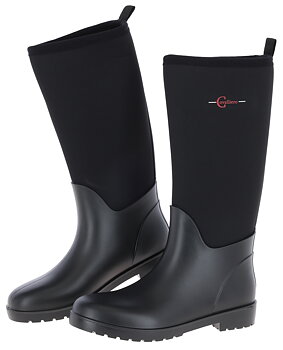
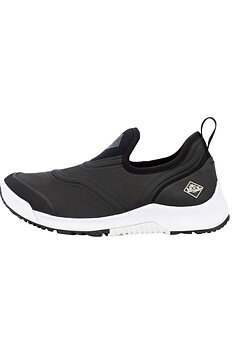
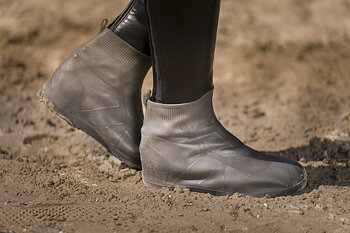

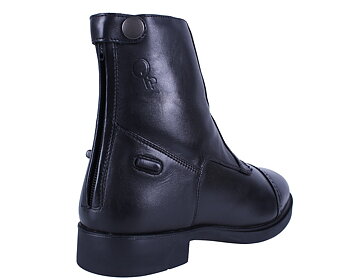
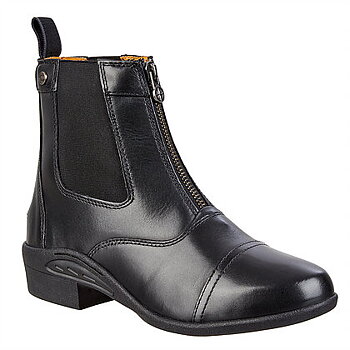

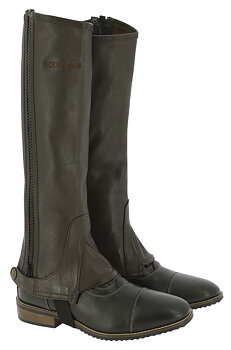
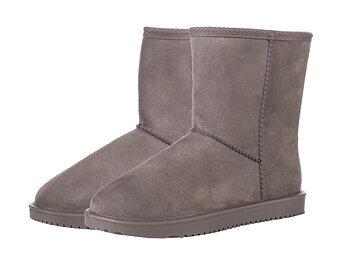
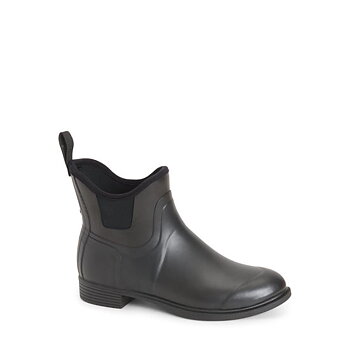

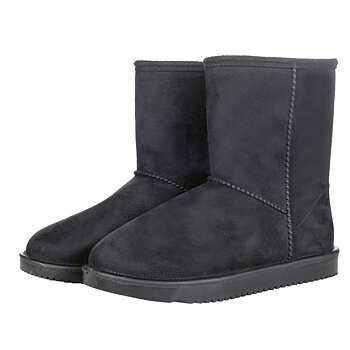
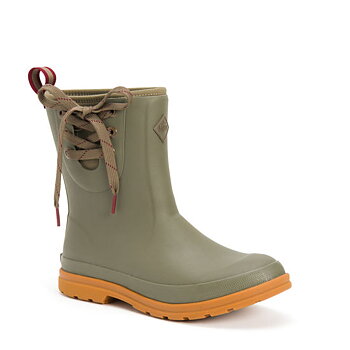

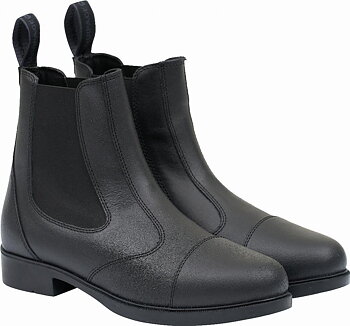
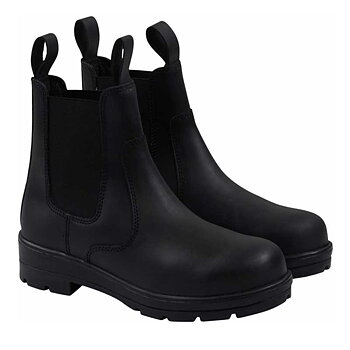
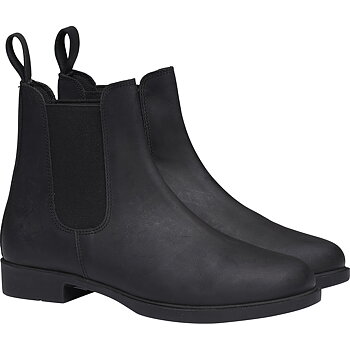
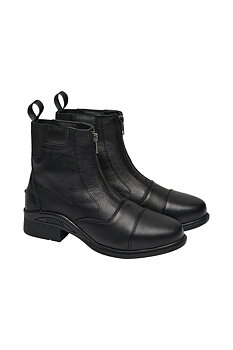
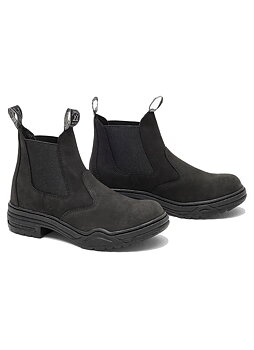


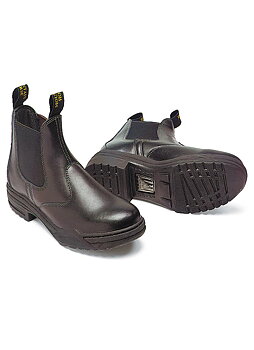
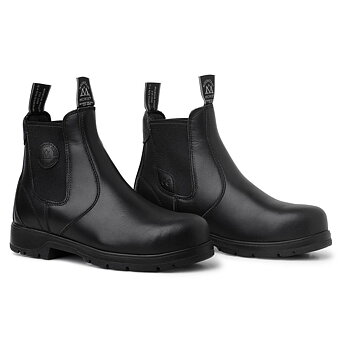
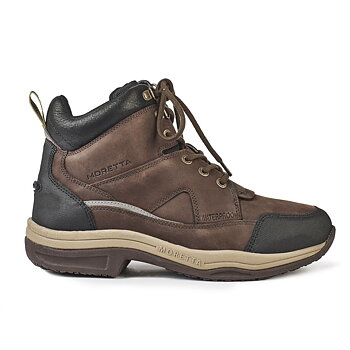
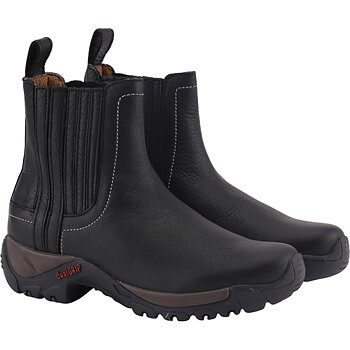
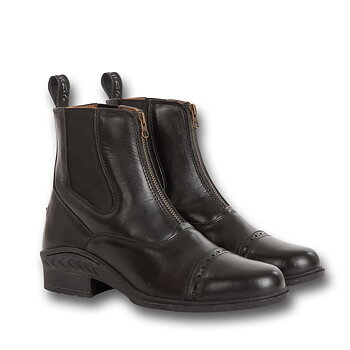
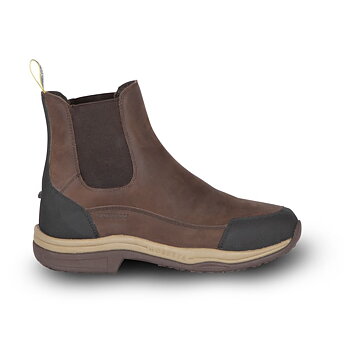
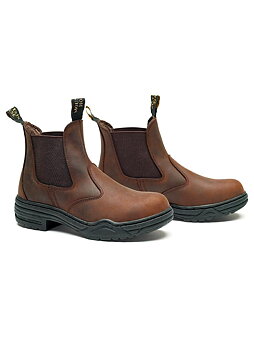
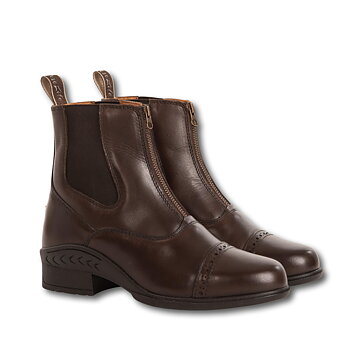
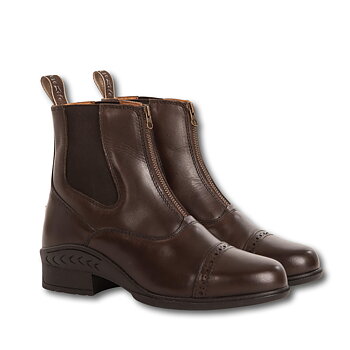
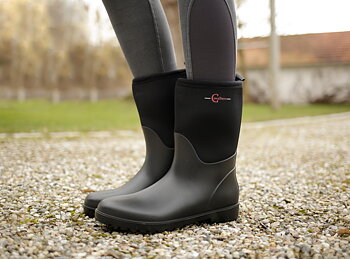
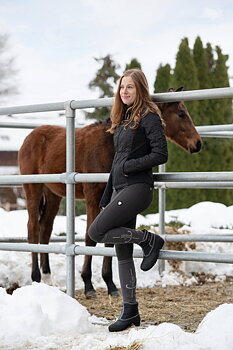
Jodhpurs & riding shoes
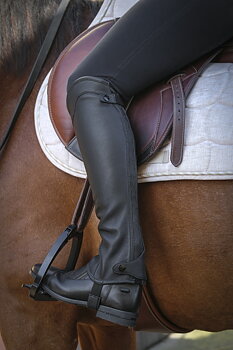
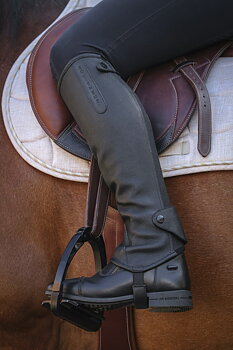
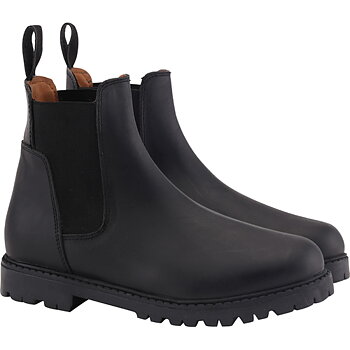
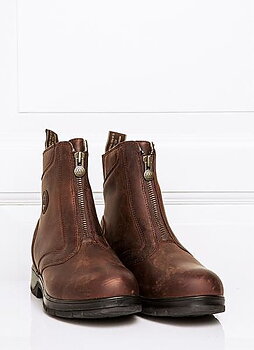
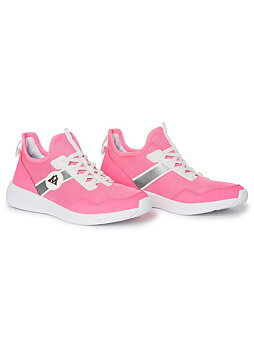
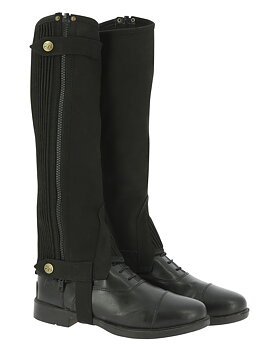
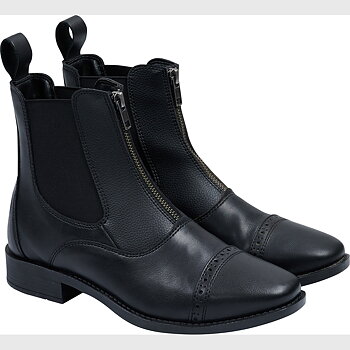
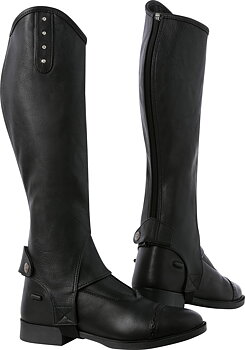
Riding shoes and stable shoes are the shorter, more versatile alternative to the classic tall riding boot. With a lower shaft that ends at the ankle or just above, they offer excellent freedom of movement and are easy to put on and take off, making them popular among beginners, younger riders and those who spend long hours in the stable. Paired with a set of half-chaps that provide coverage from the ankle up to the knee, riding shoes offer a fully functional alternative to the tall boot for most equestrian disciplines and purposes.
Riding shoes are available in leather, synthetic materials and technical fabrics that provide good breathability and quick drying. The sole is designed with a defined heel and a narrow profile that gives secure contact with the stirrup without catching. Stable shoes are a more everyday option with durable materials and hard-wearing soles that handle stable work as well as riding on lighter ground. Many models feature water-repellent treatment and reinforced sections around the heel and toe for lasting durability.
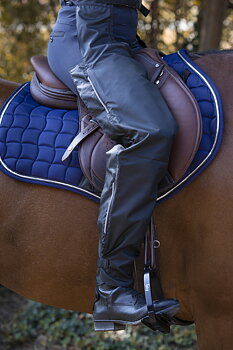
Choose riding shoes with your primary use in mind: dedicated riding shoes with narrow soles provide good stirrup stability but may be more sensitive to moisture and wear during stable chores. Stable shoes have a more robust construction and suit those who move actively in and around the stable throughout the day. Always ensure the heel height is at least 1–2 cm and that the sole is not wider than can be manoeuvred safely in the stirrup. Try on with riding socks to confirm the correct fit when used with half-chaps.
Frequently asked questions about jodhpurs & riding shoes
What is the difference between riding shoes and stable shoes?
Riding shoes are designed primarily for riding with a narrow sole, defined heel and supportive construction that keeps the foot secure in the stirrup. Stable shoes have a more versatile focus with a robust sole and durable material that handles stable work, water and mud as well as riding. Riding shoes generally provide better feel and contact at the stirrup, while stable shoes are more practical for those who combine riding with intensive stable work throughout the day.
Do I need half-chaps with riding shoes?
It depends on your riding and personal preference. Half-chaps provide coverage from the top of the riding shoe up to the knee and offer protection from rubbing and dirt, making the combination functionally similar to a tall riding boot. For light training rides, stable work and short sessions riding shoes can be used without half-chaps, but for longer sessions and competition half-chaps give better protection and a more polished appearance.
Which riding shoes are best for children?
Children benefit from riding shoes with a defined heel, a non-slip sole and simple fastening such as Velcro or a zip for independent on and off. Synthetic materials are a good choice for children as they dry quickly, tolerate dirt and require minimal care. Ensure there is a little room for growth without the shoe sitting loose and unstable at the toes. Complement with half-chaps if the child rides longer sessions or competes.
Can riding shoes be used for all equestrian disciplines?
Riding shoes are well suited to most everyday purposes — training, hacking, lesson riding and stable work. In more formal competition contexts, particularly in dressage, a full-height riding boot is often required or strongly preferred. Show jumpers and all-round riders can compete in riding shoes with half-chaps at lower levels. Always check the competition rules for the event or show you plan to attend.
How do I care for leather riding shoes?
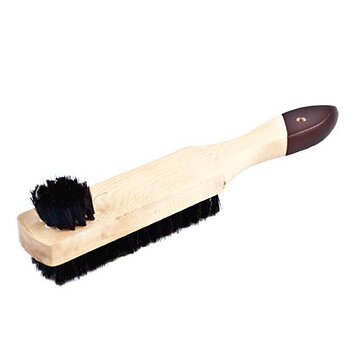
Clean leather riding shoes regularly with a damp cloth to remove dirt and stable residue. Apply leather conditioner or balm when the leather begins to feel dry to preserve flexibility and extend the life of the material. Never allow leather shoes to dry near a direct heat source such as a radiator or direct sunlight. Store them at room temperature and use a shoe last or crumpled paper inside if there is a risk of the shape being lost during storage.