 Large selection
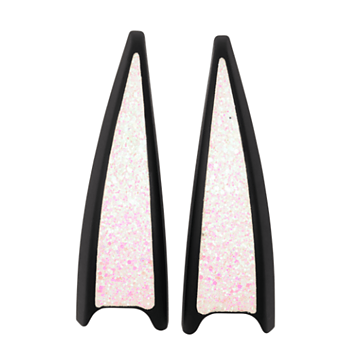
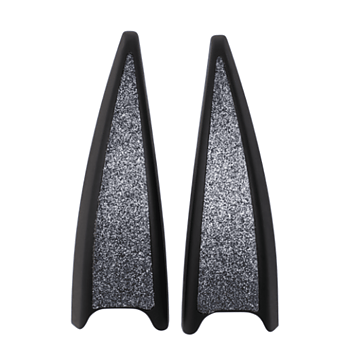
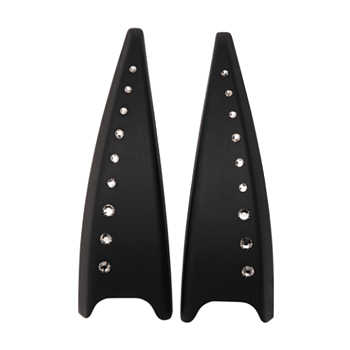
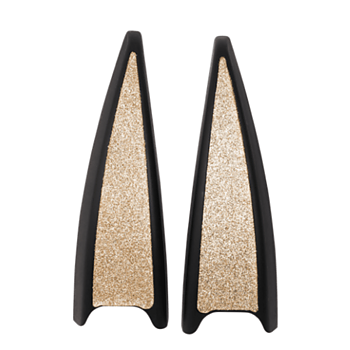
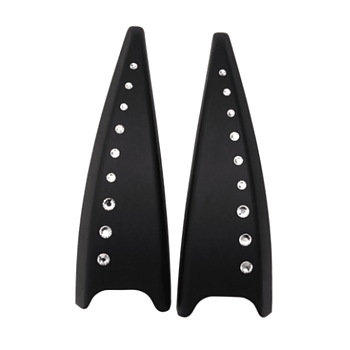
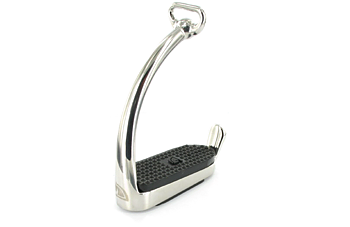
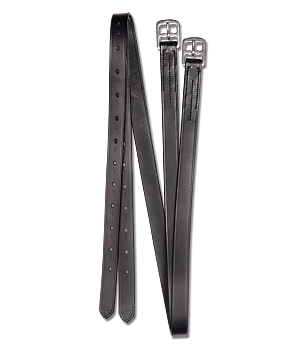
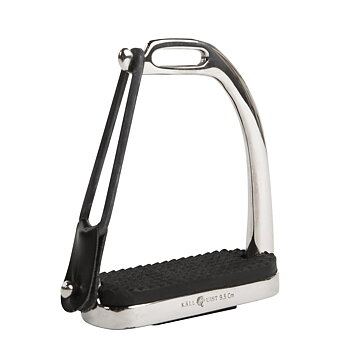



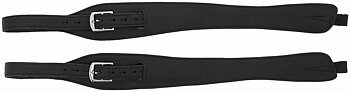
Stirrups & Leathers for horses
Stirrups and stirrup leathers are fundamental components of riding equipment that directly affect the safety, comfort and effectiveness of every rider. The right stirrup provides a secure and stable footrest, improving balance and making it easier to apply precise leg aids. High-quality stirrup leathers support correct leg position by keeping the leg supple and straight beneath the rider, without unnecessary twist or pressure on the knee. Together, a well-chosen set of stirrups and leathers is an important investment in both rider performance and safety in the saddle.
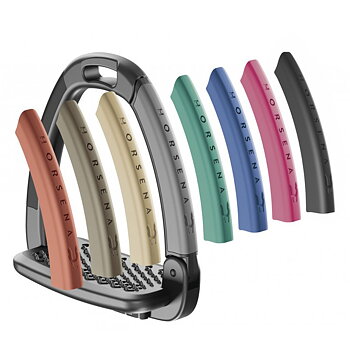
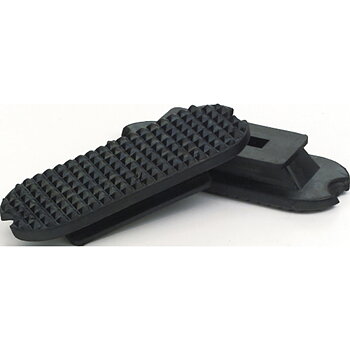
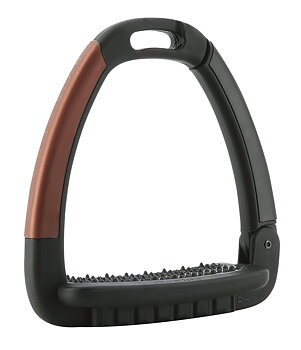
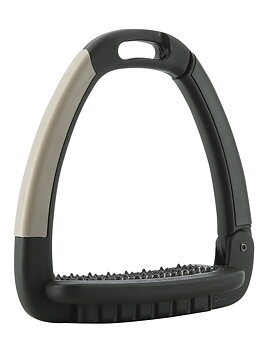
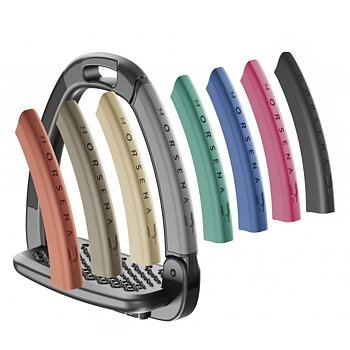
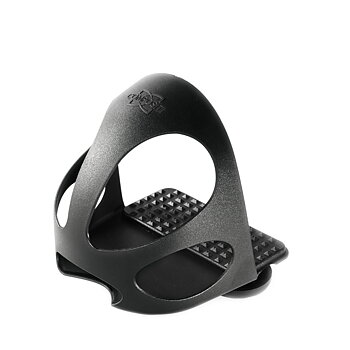
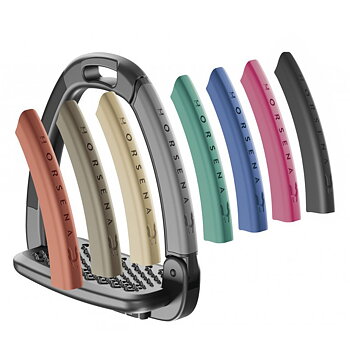
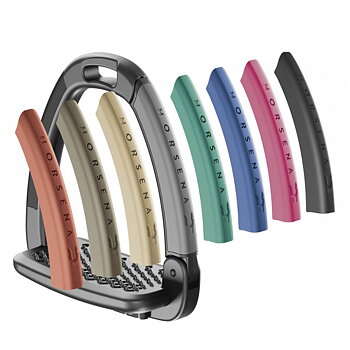
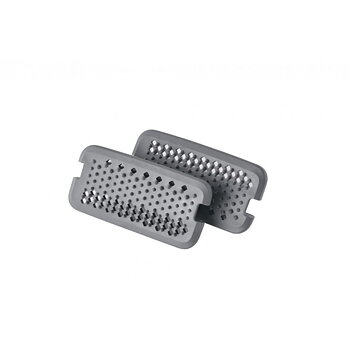
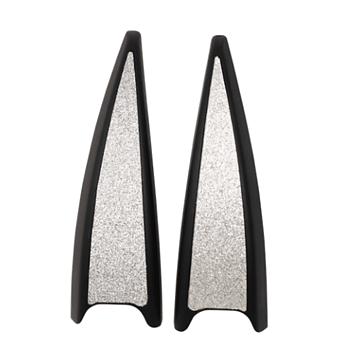
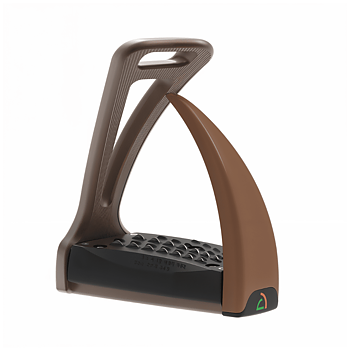
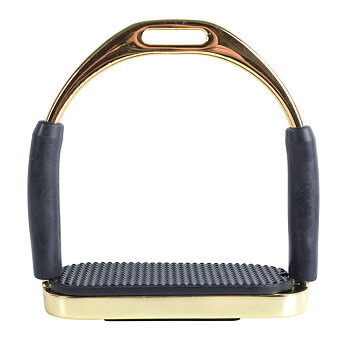
Stirrups are manufactured in a range of materials and styles. Classic stainless steel and nickel-plated options offer durability and a traditional appearance, while aluminium and aluminium alloy models are lighter without sacrificing strength. Titanium stirrups combine extreme lightness with superior durability for riders who demand the best. Modern safety-designed stirrups have gained widespread acceptance and are available in flexible, hinged and open-sided configurations that allow the foot to release in the event of a fall, significantly reducing the risk of being dragged. Choosing the correct tread width relative to your boot size is essential for both safety and function.
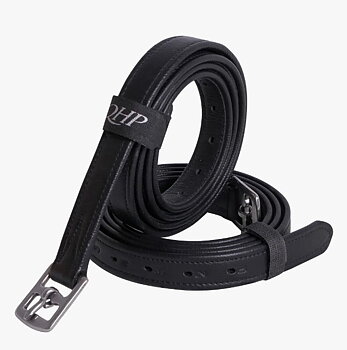
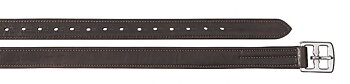
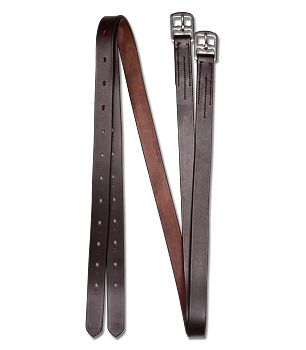
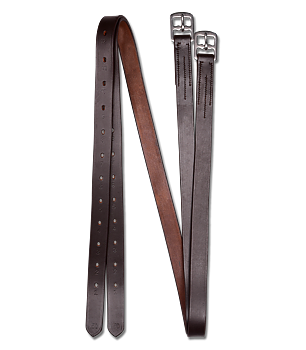
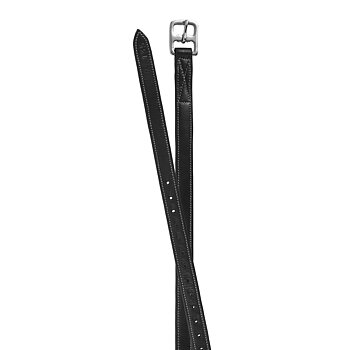
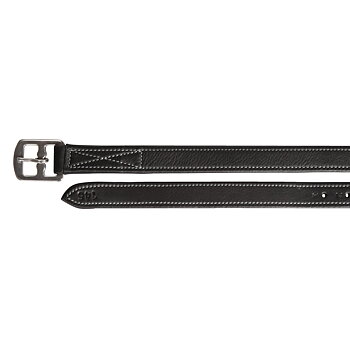
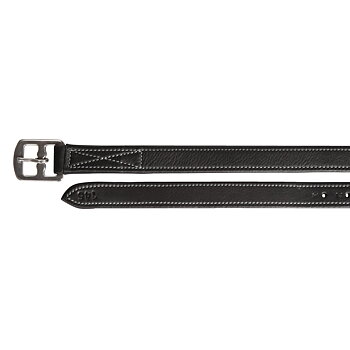
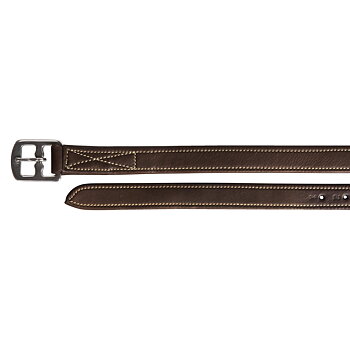
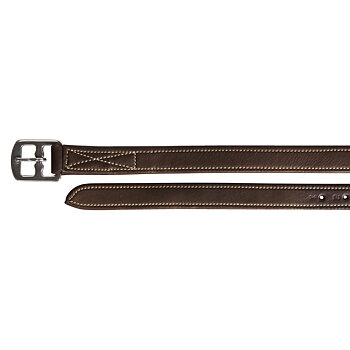
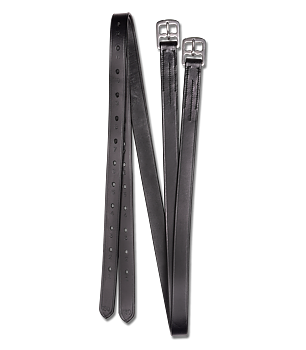
Stirrup leathers must be strong enough to support the rider's weight without stretching or breaking, yet supple enough to allow the leg to move naturally. Leather versions require regular conditioning with leather soap or oil to maintain their strength and flexibility. Synthetic stirrup leathers are an increasingly popular alternative – they are generally easier to clean, consistent in stretch behaviour and highly durable. The correct length of stirrup leather is critical for a correct riding position; leathers that are too short cause the knee to ride up, while leathers that are too long create a straight, unbalanced leg. Always check and adjust the length before mounting and after the first few minutes of riding as leather stretches with use.
Frequently asked questions about stirrups and stirrup leathers
How do you choose the correct stirrup width?
The stirrup tread should be approximately 2.5 cm wider than the widest part of the rider's riding boot. This creates approximately one centimetre of clearance on each side of the foot, which is the recommended safety margin. Stirrups that are too narrow can trap the foot in a fall, which is potentially fatal. Stirrups that are too wide allow the entire foot to pass through, which is equally hazardous. Always measure with the actual boots or shoes you ride in.
What are the benefits of safety stirrups?
Safety stirrups are designed to allow the foot to release quickly and easily in the event of an unexpected fall or dismount. They significantly reduce the risk of being dragged by the horse, which is one of the most dangerous equestrian accidents. Common designs include stirrups with a spring-loaded outer arm that opens, flexible treads with lateral movement, or an open outer side. They are recommended for all riders, regardless of experience, and are particularly important for those riding alone or on young, unpredictable horses.
How do you care for leather stirrup leathers?
Leather stirrup leathers should be cleaned after every ride using a damp cloth or soft sponge to remove sweat and dirt. Condition regularly with leather soap or leather conditioner to keep the leather supple and to prevent drying and cracking. Inspect stitching and buckle holes frequently for signs of wear or damage, as a broken leather during riding is a serious safety hazard. Replace leathers if the leather has become stiff, cracked or brittle, or if stitching shows signs of unravelling.
Are synthetic stirrup leathers as good as leather?
Synthetic stirrup leathers have improved considerably in quality and are now a genuine alternative to leather. They have consistent stretch characteristics that do not change significantly with use and humidity, making them popular for competition riding where symmetry matters. They are also typically easier to clean, resistant to moisture and require far less maintenance. However, many riders still prefer the feel and look of traditional leather, and high-quality leather leathers can outlast synthetic ones when properly maintained.
How often should stirrup leathers be replaced?
There is no fixed replacement interval, but leathers should be inspected carefully before every riding session for signs of cracking, excessive stretching or damaged stitching. Well-maintained leather stirrup leathers can last many years, sometimes a decade or more. However, any leather that shows deep cracks, stiff areas, or weakened stitching should be replaced immediately, regardless of age. Stirrup leathers are a critical safety item; do not continue using equipment that shows structural weakness.