 Large selection
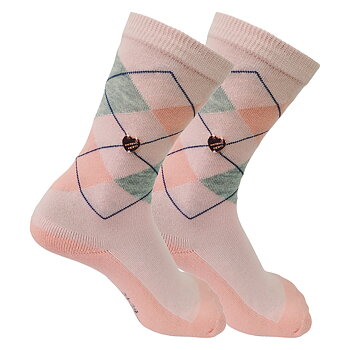
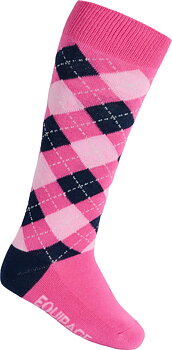
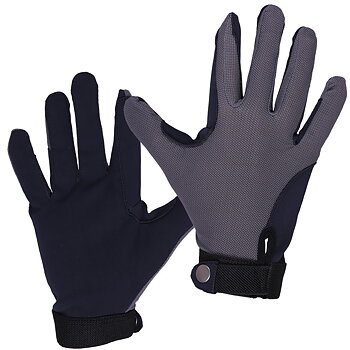
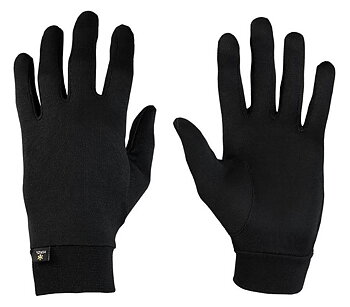


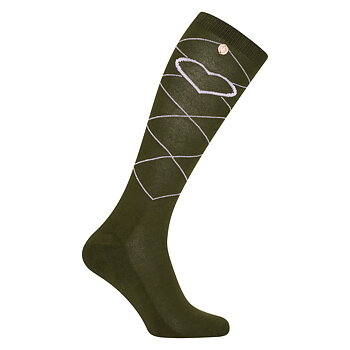
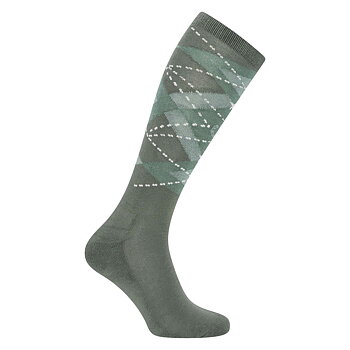
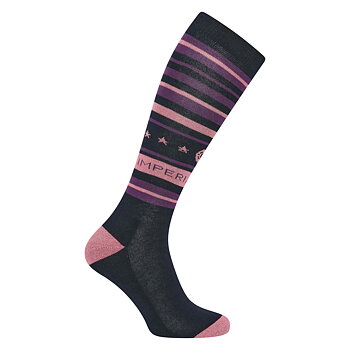
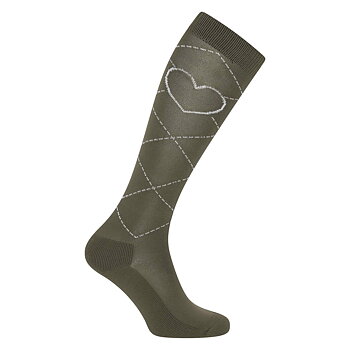
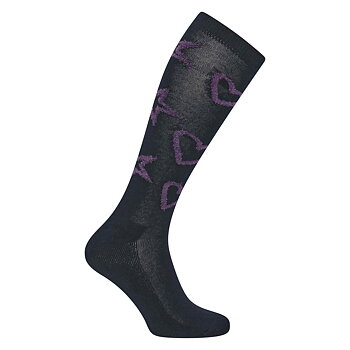
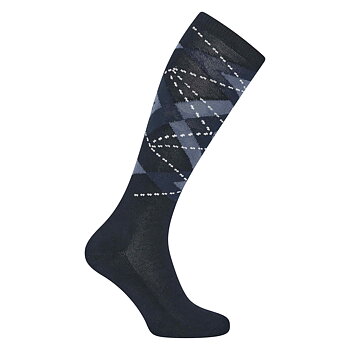

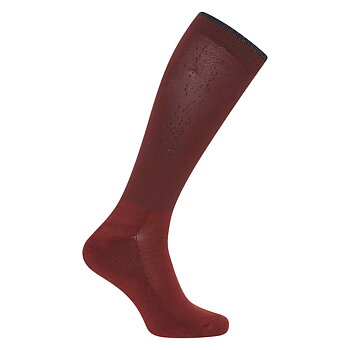
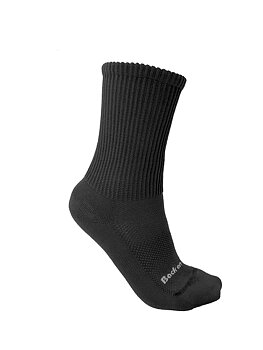


Riding gloves & riding socks
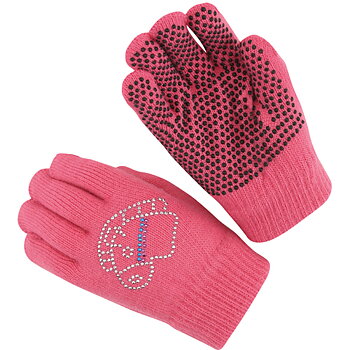
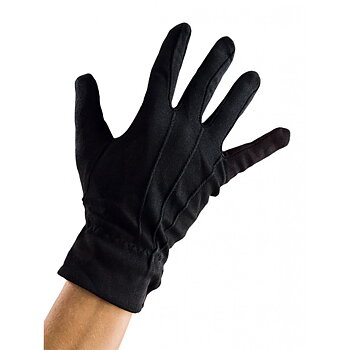
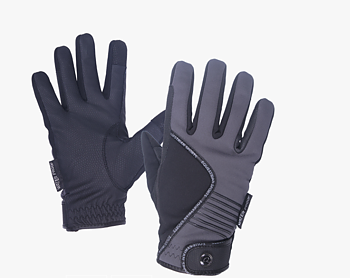
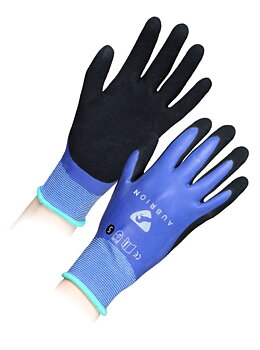
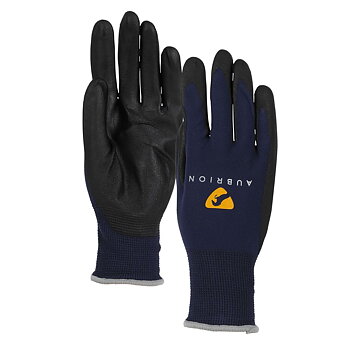
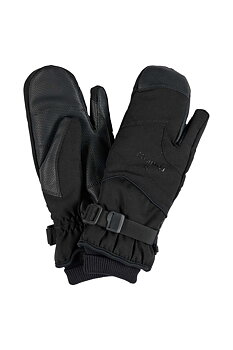
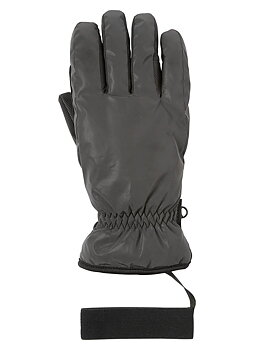
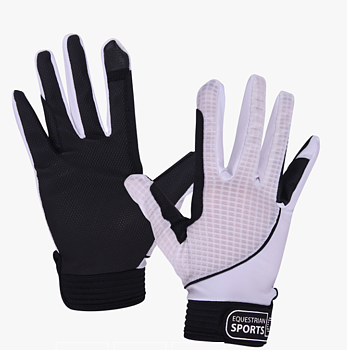
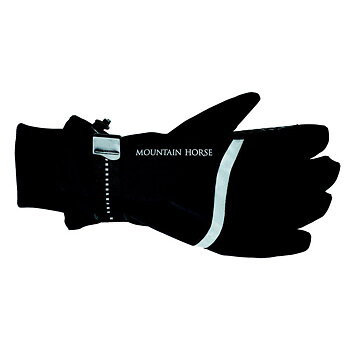
Riding gloves and riding socks may seem like small details, but they make a real difference to comfort, safety and feel in the saddle. A well-fitting pair of riding gloves gives you a secure, consistent grip on the reins and protects your hands from friction, weather and calluses that develop with daily riding. Look for gloves with a grippy rein surface on the palm and fingers, good flexibility at the knuckles and a snug wrist closure that keeps the glove in place during active work. Leather gloves offer a traditional feel and excellent rein sensitivity, while synthetic options handle wet weather and varied conditions with minimal maintenance.
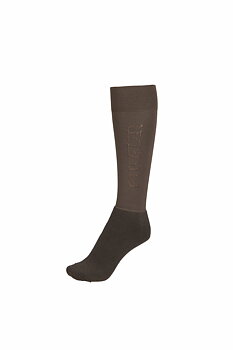
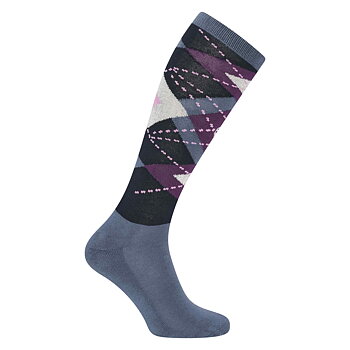
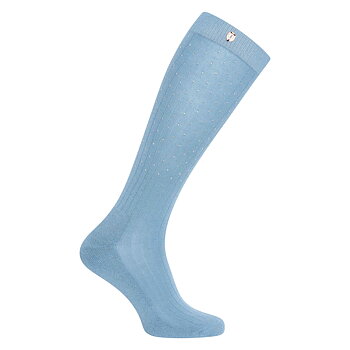
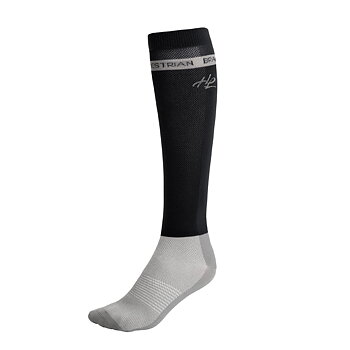
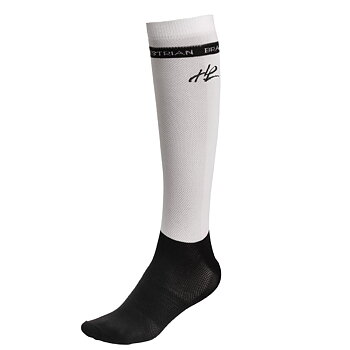
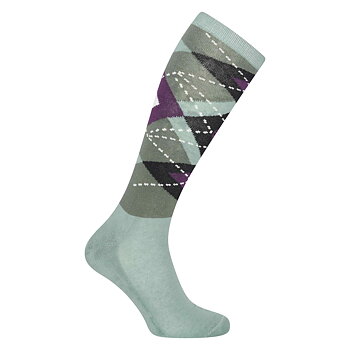
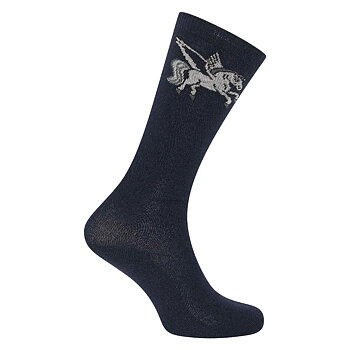
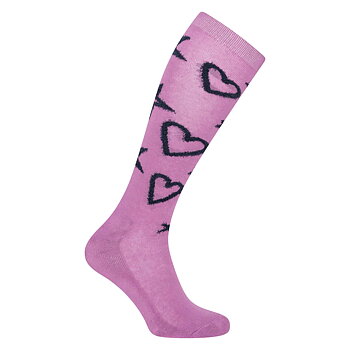
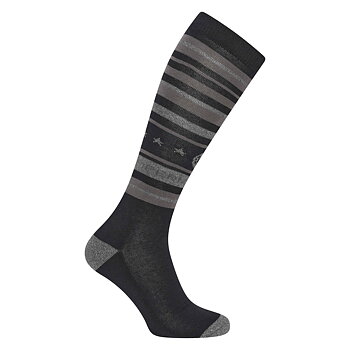
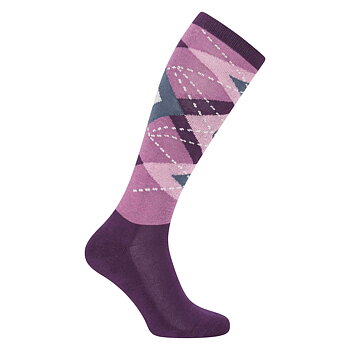
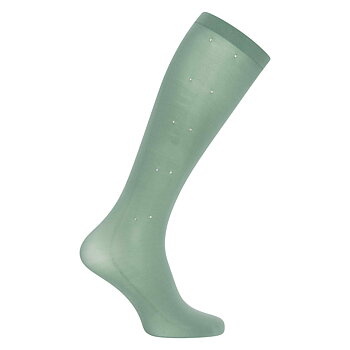
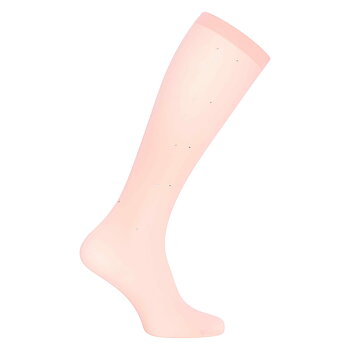
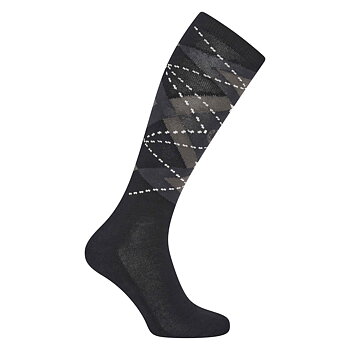
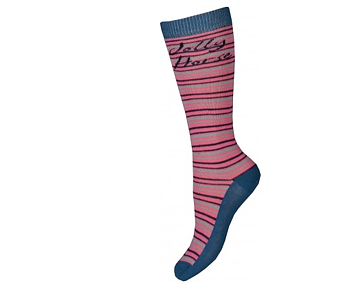
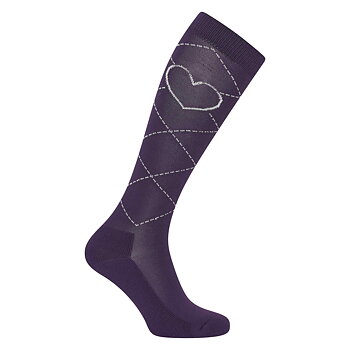
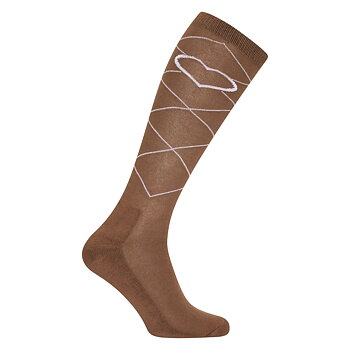
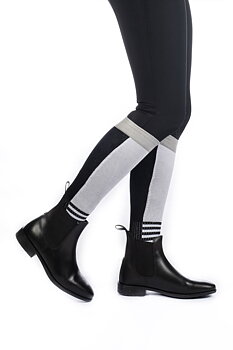
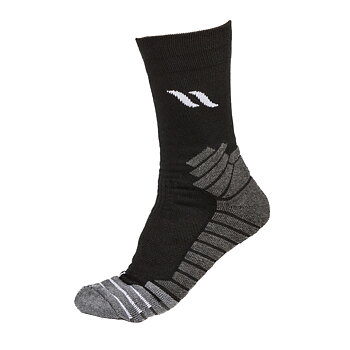
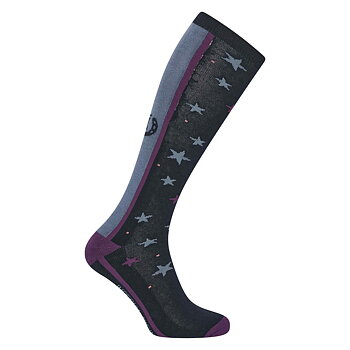
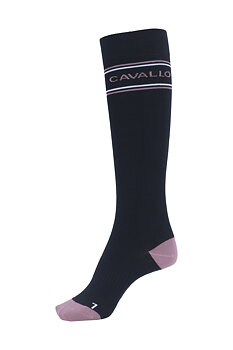
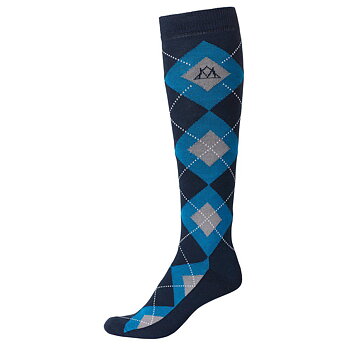
Riding socks are engineered specifically for life inside a riding boot. Their tall cut — usually knee-high — prevents the boot shaft from rubbing directly against the skin, reducing the risk of blisters and irritation during long sessions. A well-constructed riding sock has a reinforced heel and toe for durability, flat seams that won't press into the foot and graduated compression in the calf to reduce fatigue. Materials such as merino wool and moisture-wicking synthetics keep feet at the right temperature whether you are riding in early morning frost or a warm summer afternoon.
When choosing riding gloves and socks, always prioritise fit over appearance. Measure the circumference of your hand at the widest point to find your glove size, and opt for a pair that feels snug without restricting finger movement. For socks, make sure the length reaches the knee and that the foot section fills the boot without bunching or sliding. Replacing worn-out gloves and socks regularly ensures consistent grip and comfort — both directly impact how you communicate with your horse through the reins and stirrups every time you ride.
Frequently asked questions about riding gloves & riding socks
How do I find the right size of riding gloves?
Measure the circumference of your dominant hand around the knuckles, excluding the thumb, and use the measurement in centimetres or inches to match the manufacturer's size chart. The glove should fit snugly across the palm and fingers without cutting off circulation or creating wrinkles that affect rein feel. Try gripping an imaginary rein before buying — your fingers should close comfortably and the seams should not bunch against the reins. If you are between sizes, going one size up usually provides better long-term comfort.
What materials are riding gloves made from and which is best?
Riding gloves are most commonly made from leather, synthetic stretch fabrics or a combination of both. Leather offers outstanding rein sensitivity and moulds to the shape of your hand over time, but requires regular conditioning and does not perform as well in wet conditions. Synthetic gloves are easier to care for, often machine washable and dry quickly, making them a practical choice for everyday training in variable weather. Many riders keep a leather pair for competition and a synthetic pair for training to get the best of both worlds.
Why are riding socks designed to be knee-high?
The knee-high cut serves two practical purposes: it prevents the top edge of the riding boot from rubbing against bare skin, and it keeps the sock in place throughout the ride so it never slides down into the boot. A sock that drops below the boot shaft creates uncomfortable pressure points and uneven padding underfoot. Knee-high socks also provide an additional layer of insulation along the calf, which is especially beneficial when riding in cold weather or early mornings at the stable. For riders using half-chaps, the tall sock also covers the full length of the chap and prevents any skin exposure between boot and chap.
Can I wear ordinary sports socks when riding?
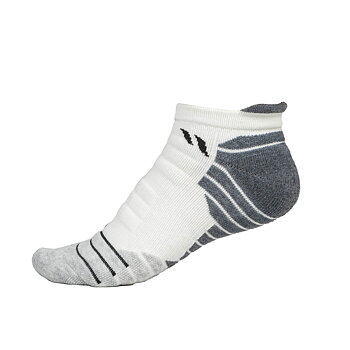
Ordinary sports socks lack the specific features of riding socks: the tall cut, the reinforced heel and toe, and the flat seams designed to sit comfortably inside a riding boot. A regular ankle or mid-calf sock will fold down into the boot, create pressure points and leave the lower leg exposed to boot-shaft friction. While a sports sock might work for a short, casual hack, it is not suitable for regular riding, training or competition. Investing in proper riding socks will protect your feet and lower legs and improve your overall comfort significantly.
How should I wash and care for riding gloves?
Synthetic riding gloves can generally be machine washed on a gentle cycle at 30°C — check the care label first, as some have grip coatings that require hand washing. Leather gloves should never go in the washing machine; instead, wipe them clean with a lightly damp cloth and treat them with a quality leather conditioner once they are dry. Always allow gloves to air dry away from direct heat sources, which can cause the material to harden and crack prematurely. Storing gloves flat or hanging in a cool, dry place between sessions will extend their lifespan considerably.