 Large selection
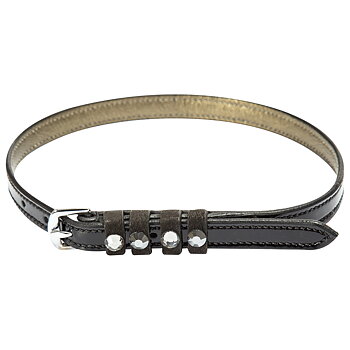
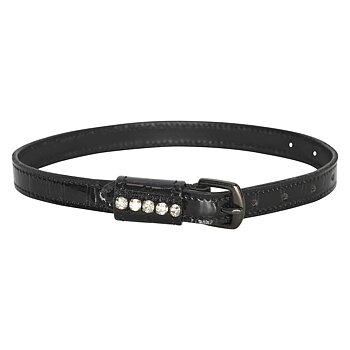
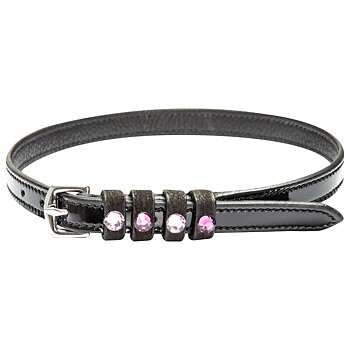



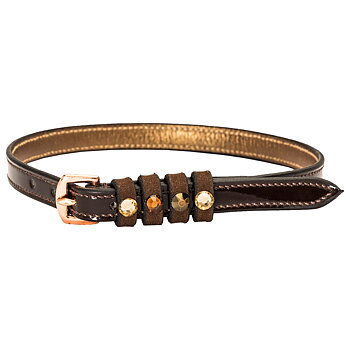
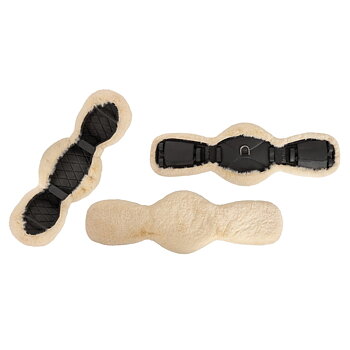
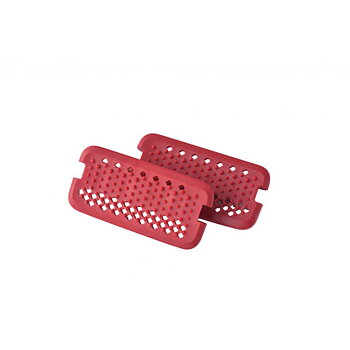
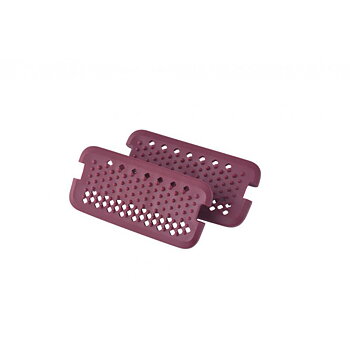
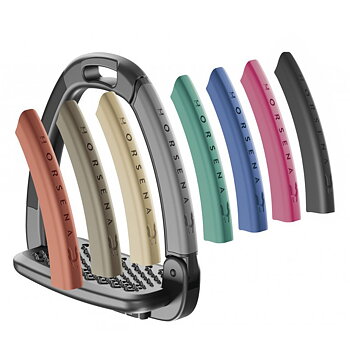
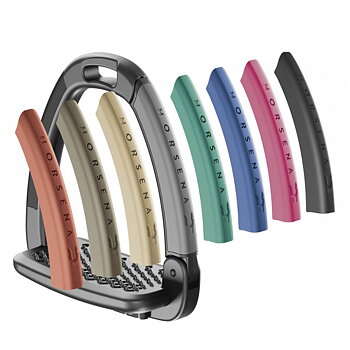
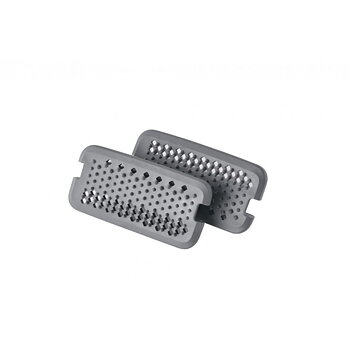
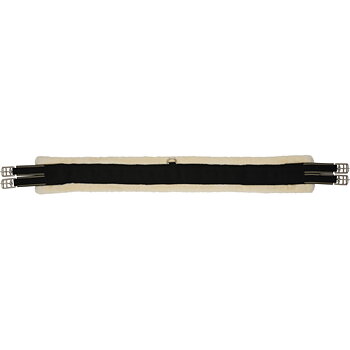


Saddle Accessories & Stirrups for horses
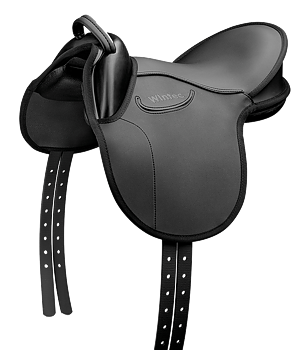
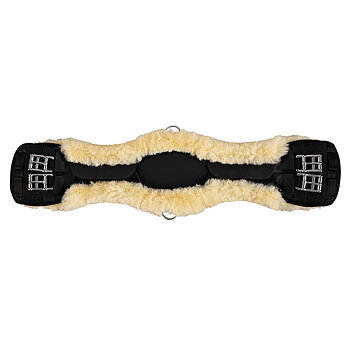
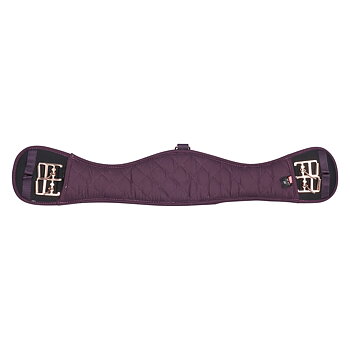
Saddle accessories and stirrups are essential components of every rider's equipment, contributing directly to both rider comfort and the horse's freedom of movement. A well-fitted girth of the correct length and material keeps the saddle securely in place without requiring excessive tightening, which protects the horse's pectoral muscles and allows natural, uninhibited movement. Investing in quality saddle accessories is worthwhile in the long term, as it extends the life of the saddle itself and contributes to a more effective and enjoyable riding experience.
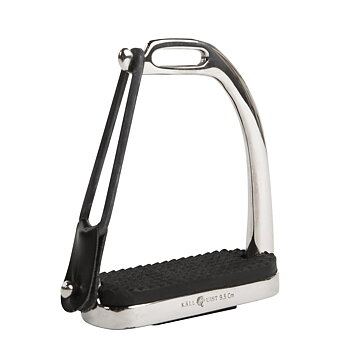
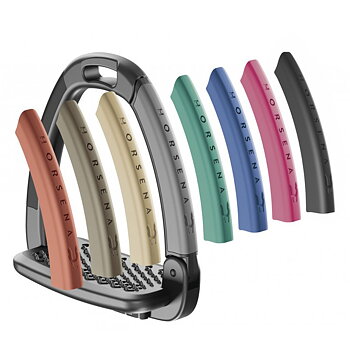
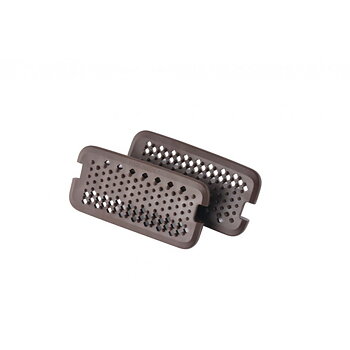
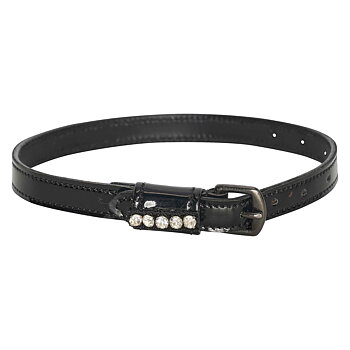
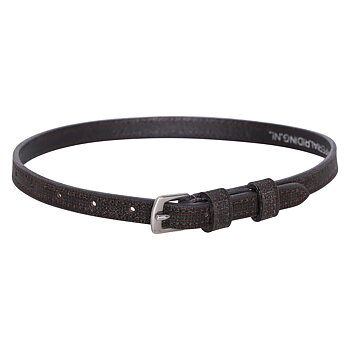
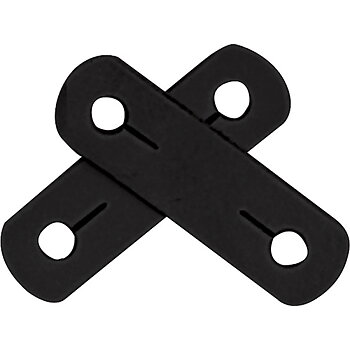
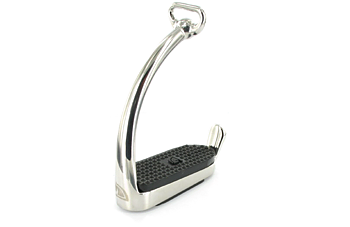
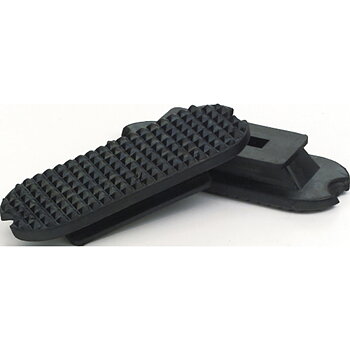
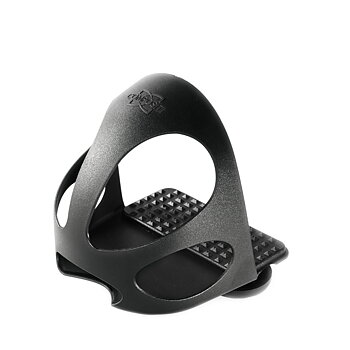
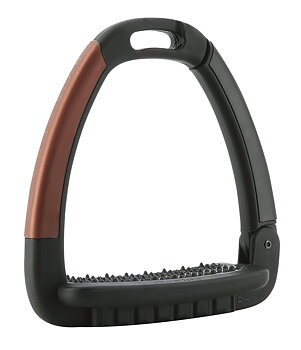
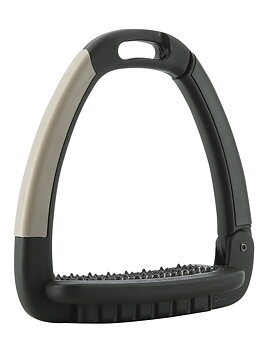
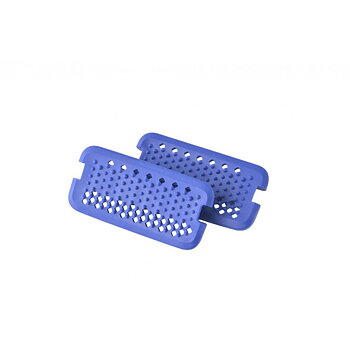
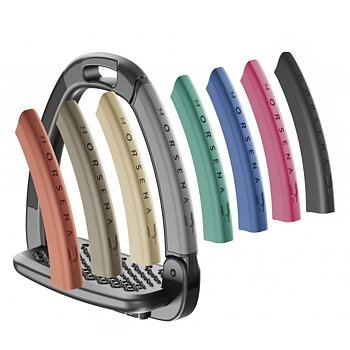
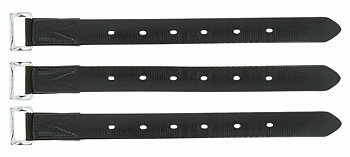
Stirrups are the rider's primary point of contact with the saddle and should be designed for stability and security. The width of the stirrup tread should be matched to the rider's boot size – the general rule is approximately one centimetre of clearance on each side of the foot. Supple and shape-retaining stirrup leathers make it easier to maintain a correct leg position and reduce strain on the knees. Materials and construction vary considerably; traditional leather requires regular conditioning to stay pliable, while modern synthetic materials are more low-maintenance. Safety-designed stirrups with a hinged side or flexible tread can provide valuable additional protection in the event of a fall.
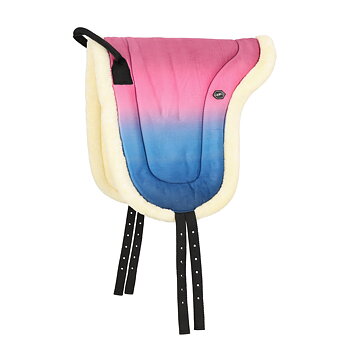
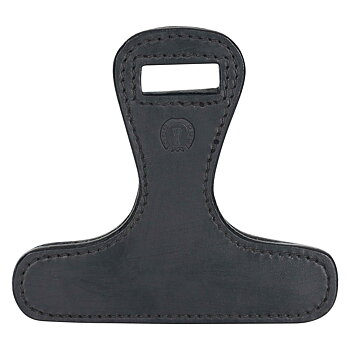
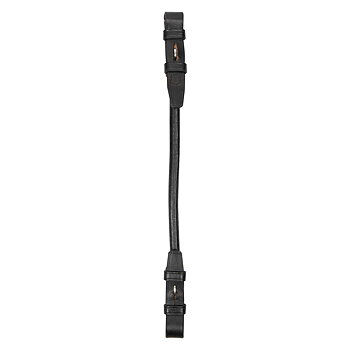
The wider range of saddle accessories – including girth guards, sweat flaps, saddle pads and rein stoppers – all contribute to a better fit and greater comfort for horse and rider alike. Anatomically shaped saddle pads provide extra clearance along the spine, reducing pressure on sensitive vertebrae and offering additional shock absorption. Regular inspection and maintenance of all saddle accessories is important for safety; cracked, worn or fraying leather should be replaced before it becomes a hazard. With the right combination of accessories, the overall fit of the saddle can be optimised for each individual horse-and-rider pairing.
Frequently asked questions about saddle accessories and stirrups
How do you choose the right girth?
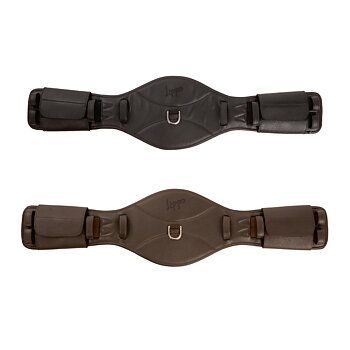
Choosing a girth depends on the horse's conformation, the saddle's design and the riding discipline involved. The girth must be the correct length to fasten correctly without pressing into the elbow area. Material matters greatly – leather girths are durable and mould to the horse over time, while elastic or neoprene girths offer more flexibility and breathability. Anatomically shaped short girths reduce bulk under the rider's knee and work well with saddles that have long girth tabs.
How do you know if stirrups are the right size?
The inside width of the stirrup should be approximately 2.5 cm wider than the widest part of the rider's boot. This leaves approximately one centimetre of clearance on each side of the foot. Stirrups that are too narrow risk trapping the foot in a fall, which is dangerous. Stirrups that are too wide allow the foot to slide through, which is equally hazardous. Always check the fit wearing the boots you ride in, not casual shoes.
Why are saddle pads important?
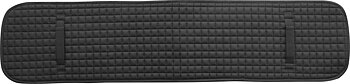
Saddle pads protect the horse's back from sweat, friction and pressure from the saddle. They absorb moisture and prevent the saddle from slipping, contributing to a more stable riding position. Anatomically designed saddle pads feature a channel along the spine to relieve pressure on sensitive vertebrae and keep the saddle in place even during energetic movement. It is important that the pad matches the size of the saddle – a pad that is too small gives insufficient protection, while an oversized pad can create folds and pressure points.
How do you maintain leather saddle accessories?
Leather accessories should be cleaned regularly with a damp sponge or specialist saddlery cleaner. Condition with leather soap or saddle lotion to keep the leather supple and prevent cracking. Avoid leaving leather equipment in direct sunlight or in damp conditions for extended periods, as this accelerates deterioration. Regularly inspect all stitching, buckles and straps for signs of wear, and replace damaged components before they become a safety risk.
What is the difference between standard and safety stirrups?
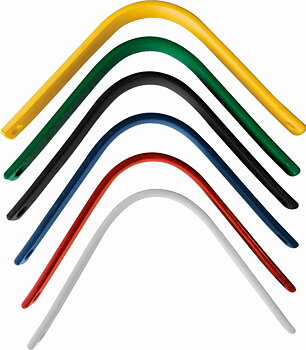
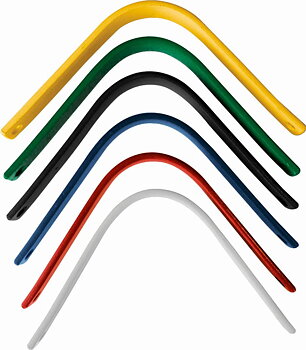
Standard stirrups are made as a single piece of metal or alloy with no moving parts. Safety stirrups incorporate a design feature that allows the foot to release quickly in the event of a fall – common solutions include a spring-loaded side that opens, a flexible tread with lateral movement, or an open outer frame. Safety stirrups are strongly recommended for riders who ride alone, on young or unpredictable horses, or who are not yet experienced enough to release the foot instinctively. They significantly reduce the risk of being dragged without compromising function or feel during normal riding.