 Large selection








Horse Care
Proper horse care is the foundation of every healthy, happy horse. A consistent grooming and health routine allows you to monitor your horse's condition closely, catch problems early, and build the kind of trust that makes riding a pleasure. From daily brushing and hoof cleaning to targeted treatments for skin conditions and muscle recovery, the right products and habits make a measurable difference to your horse's wellbeing — whether you keep one horse at home or manage an entire yard.
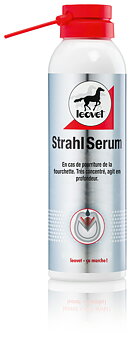
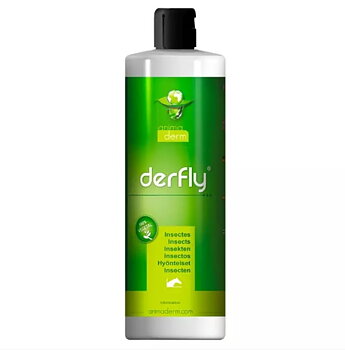
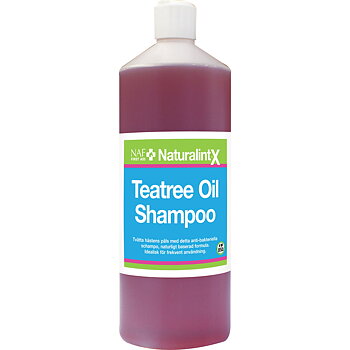
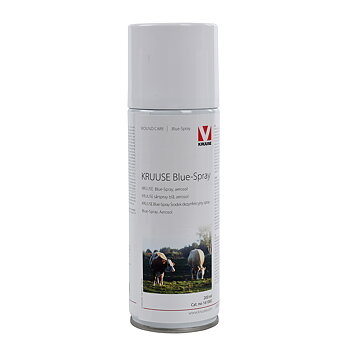
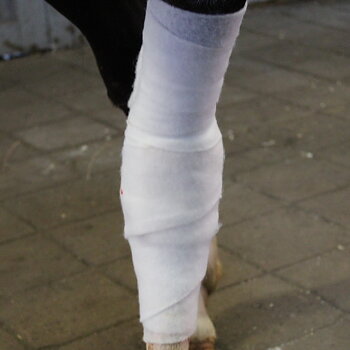
The range of horse care products spans a wide spectrum of textures, formats, and active ingredients. You will find cooling clays and warming liniments for legs and muscles, protective creams and sprays for skin and hooves, and targeted solutions for eczema, wounds, and general veterinary needs. Fly protection products vary from sprays and masks to full-body rug systems, giving you flexibility to choose the right level of coverage for your horse's sensitivity and environment.
Browse the subcategories below to find exactly what your horse needs right now. Whether it is a daily hoof conditioner, a seasonal eczema treatment, or a first aid kit for the yard, everything is organised to help you shop with confidence and care for your horse effectively.
Frequently asked questions about horse care
How often should you groom and care for your horse?
Horses benefit from daily grooming, especially when in regular work or competition. Brushing every day stimulates blood circulation, removes dirt and loose hair, and gives you the opportunity to spot early signs of cuts, swellings, or skin irritation before they develop into larger problems. Hooves should be picked out at least once a day to prevent thrush and the build-up of debris that can cause lameness. A consistent routine means you always know your horse's baseline condition and can respond quickly to any change.
What should a basic horse care kit contain?
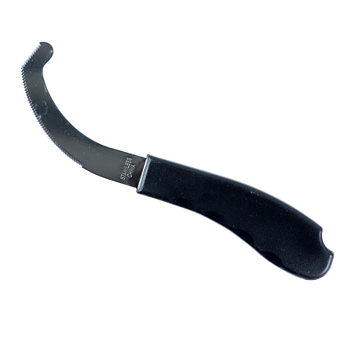
A well-stocked basic kit includes a hoof pick, body brush, dandy brush, sponge, sweat scraper, and a soft face brush for sensitive areas around the eyes and muzzle. Beyond grooming tools, you should have a wound spray or antiseptic solution, a muscle liniment, and a protective salve for areas prone to rubbing or dryness. During warmer months, fly protection in some form is essential. Review and top up your kit regularly to match your horse's current health needs and the season.
What is the difference between liniment and clay for horses?
Liniment is typically a liquid or gel-based product that generates warmth and promotes circulation in muscles, tendons, and joints — it is commonly used before exercise to warm up tissues or after work to help the horse relax and recover. Clay, by contrast, is applied cold directly to the legs and works through a cooling, anti-inflammatory effect, drawing heat away from the tissues and reducing minor swelling. Many riders use both: liniment for warming up and clay for post-exercise recovery. The two products serve complementary rather than interchangeable purposes.
When does a horse need supplements and vitamins?
The need for supplementation depends on the horse's age, breed, workload, and the nutritional quality of its base diet. Forage and hay alone rarely provide a complete nutrient profile, and deficiencies in biotin, zinc, magnesium, or vitamin E can affect hoof quality, coat condition, and overall performance. Supplements are particularly important during periods of intense training, growth phases in young horses, or recovery from illness or injury. Consulting a veterinarian or equine nutritionist is the best way to identify which supplements are genuinely needed.
How do you prevent eczema in horses?
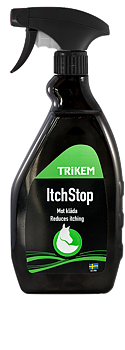
Equine eczema, commonly known as sweet itch, is an allergic reaction triggered by the bites of midges and other small insects. Effective prevention focuses on minimising exposure: stabling horses during peak midge activity (dawn and dusk), using full-coverage fly rugs with belly flaps and neck covers, and applying protective or soothing skin products to vulnerable areas. Specific eczema treatments can reduce itching and help heal damaged skin during flare-ups. Starting preventive measures before the season begins is always more effective than attempting to manage symptoms that have already taken hold.