 Large selection
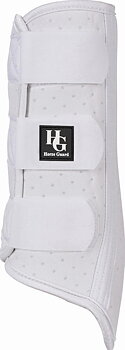
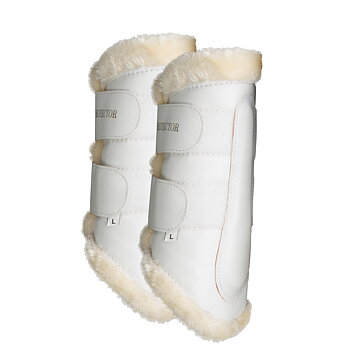
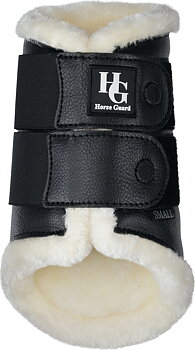
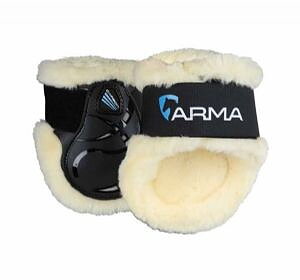
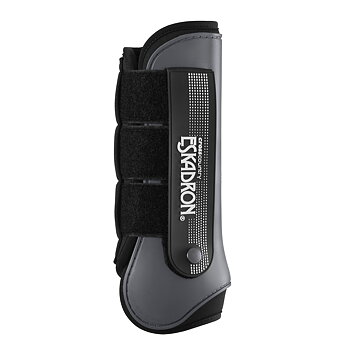
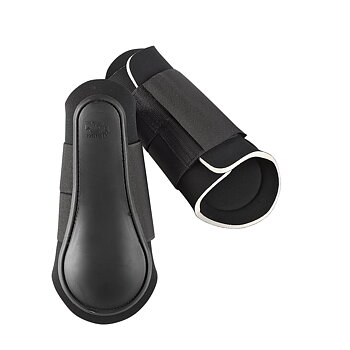
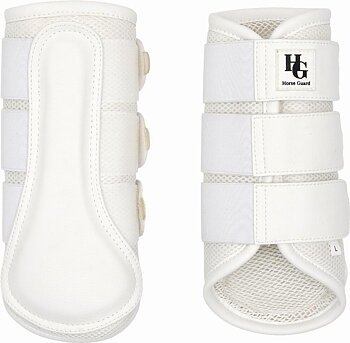
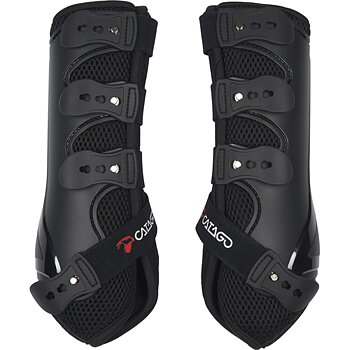
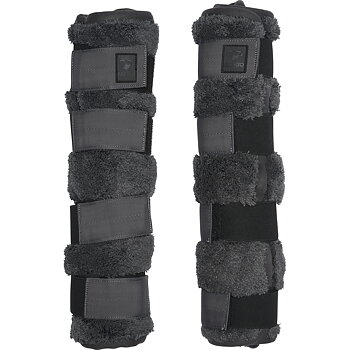
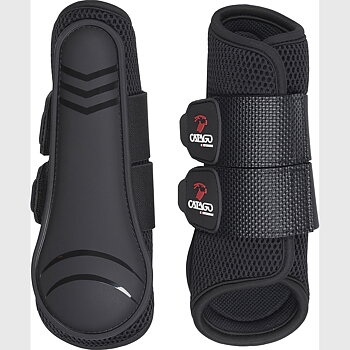
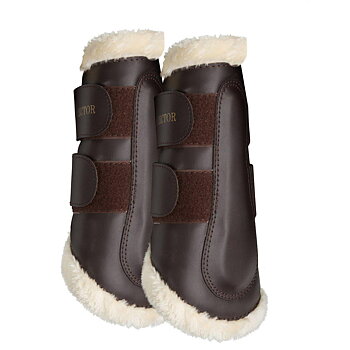
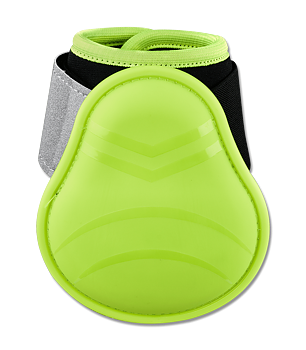
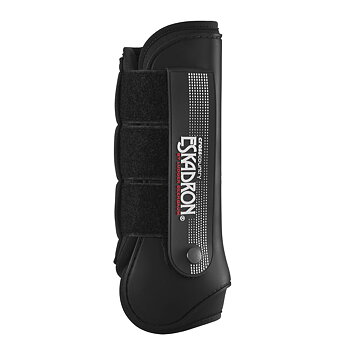
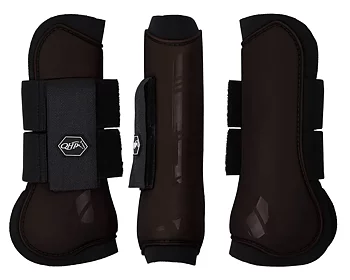
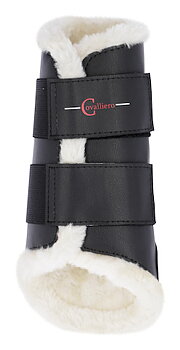
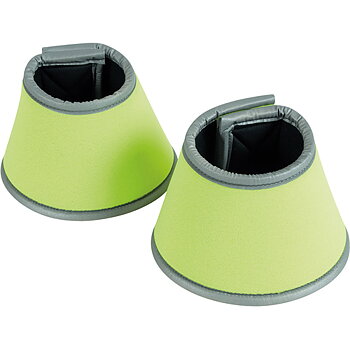

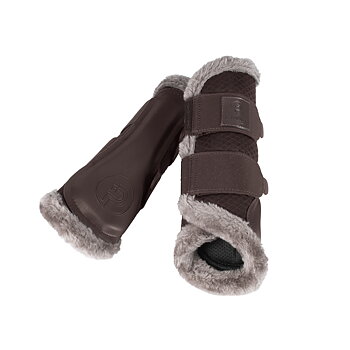
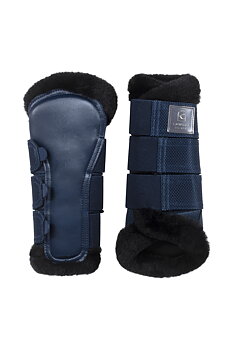
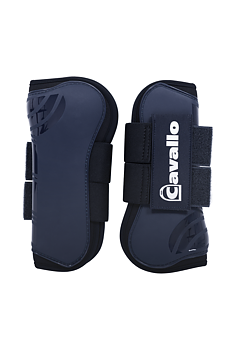

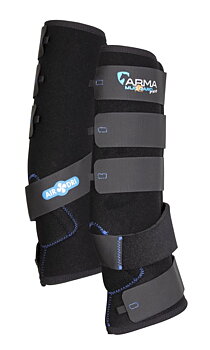
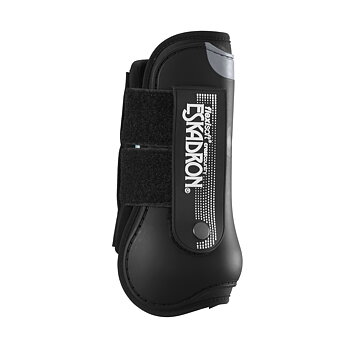
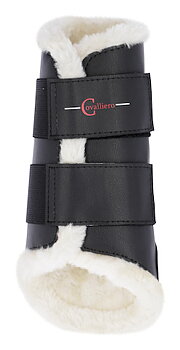
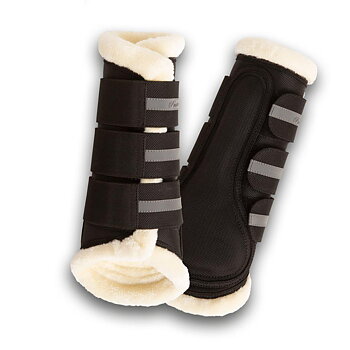
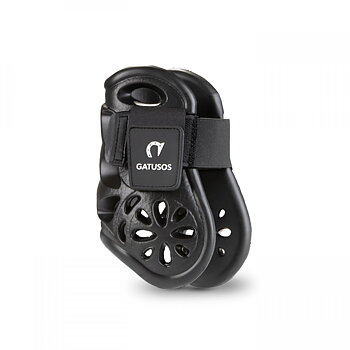
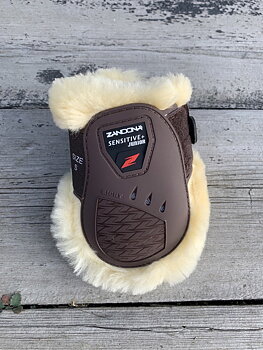
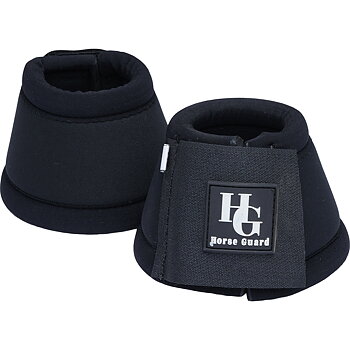
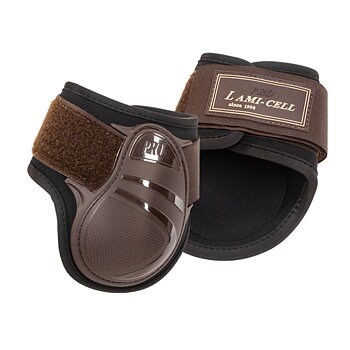
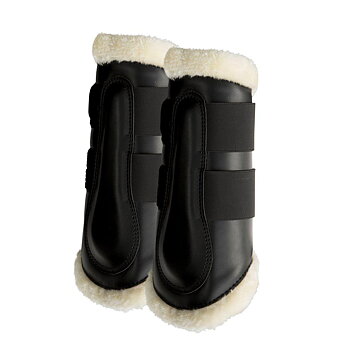
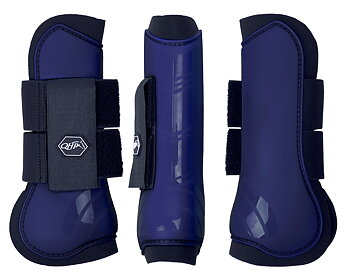
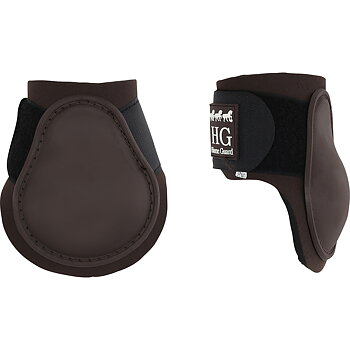
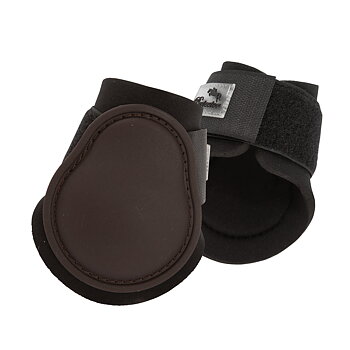
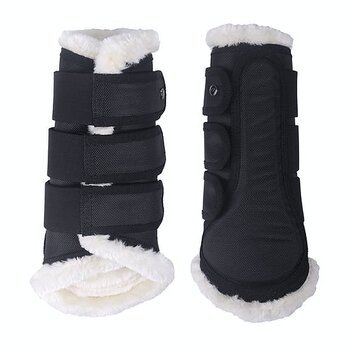
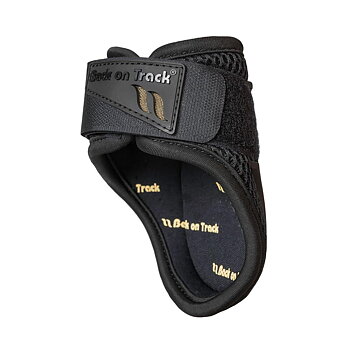
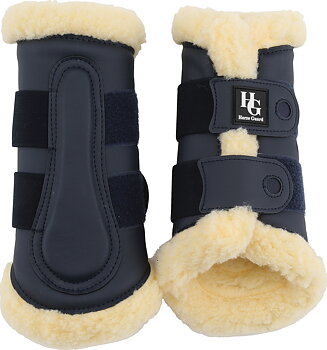
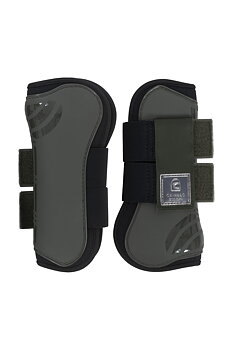
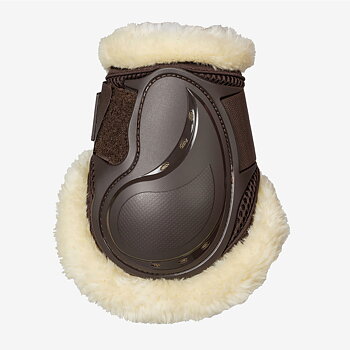
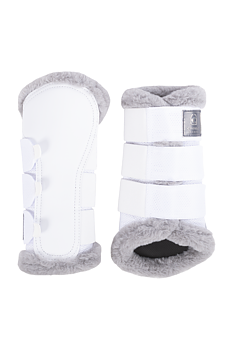
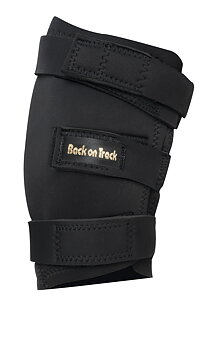
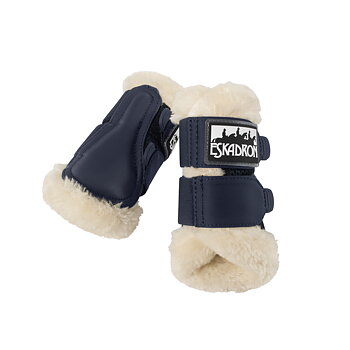
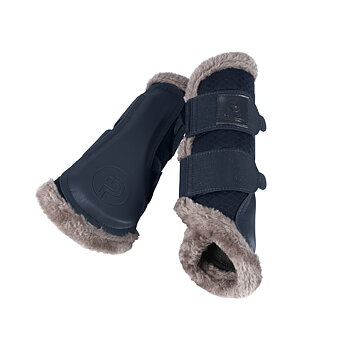
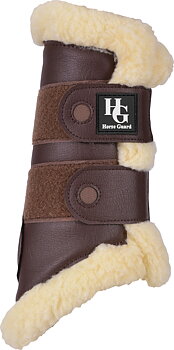
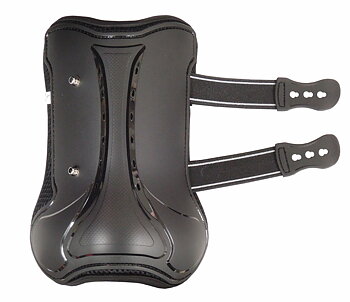
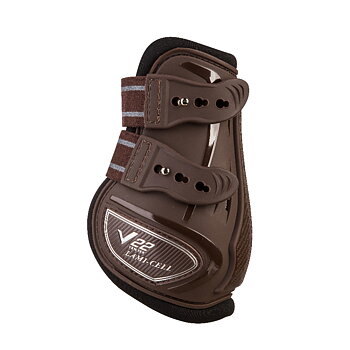
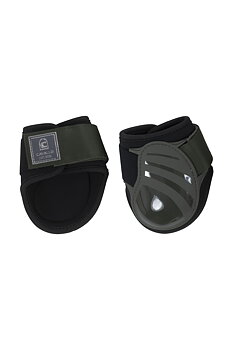
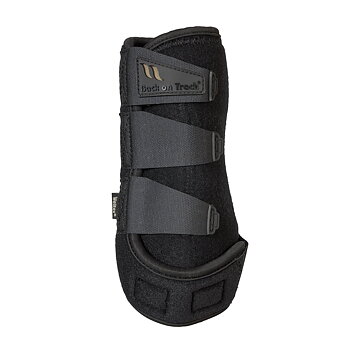

Leg Protection & Tendon Boots for Horses
Leg protection is one of the most essential pieces of equipment you can invest in for your horse, whether you are competing in show jumping, dressage, eventing or simply exercising on the lunge. Tendon boots, brushing boots and exercise boots all serve to shield the cannon bone, tendons and fetlock joints against strikes, knocks and brushing injuries — incidents that can otherwise result in lengthy rehabilitation and significant veterinary costs. Our range includes open-fronted tendon boots with secure hook-and-loop closures, closed neoprene polo boots and classic synthetic leather exercise boots with double-lock buckles, covering every discipline and every skill level from beginner to grand prix.
Material choice makes a meaningful difference in performance and horse comfort. Lightweight mesh boots maximise airflow and are ideal for warm-weather flat work, whereas boots with high-density foam or gel inserts deliver superior shock absorption for cross-country and arena jumping. The fit must be precise: boots that are too loose will shift during movement and cause rubbing, while overly tight boots restrict circulation and can cause pressure sores. Always measure your horse's leg circumference and cannon bone length before purchasing, use the size guide (XS–XL) provided, and fasten closures evenly without pulling the boot outward or pinching the skin.
After every session, remove the boots promptly, brush off mud and debris, rinse with clean water and allow them to air-dry away from direct sunlight and heat sources. Most modern synthetic and neoprene boots are machine washable at 30 °C — always check the care label. Inspect the closures and shells regularly for cracks, worn padding or weakened hook-and-loop sections; replace immediately if structural integrity is compromised. Browse our full selection of horse leg protection and tendon boots to find the perfect fit for your horse's size, your chosen discipline and your budget.
See also
Explore more categories in horse leg protection and wraps.
Frequently asked questions about horse leg protection
What type of leg protection is best for show jumping?
For show jumping, open-fronted tendon boots are the industry standard because they protect the tendons and fetlock at the back while leaving the front of the cannon bone exposed, allowing the horse to feel the poles and encouraging careful jumping. They should feature a rigid outer shell capable of absorbing direct pole strikes and a soft, non-slip inner lining to prevent rubbing. Choose models with at least three hook-and-loop closures or buckle fastenings to ensure the boot stays securely in place on landing. Always check that the boot does not press against the tendon during flexion, as an incorrectly fitted boot can cause more harm than it prevents.
Should a horse wear leg protection on all four legs?
This depends on the discipline and the individual horse. In jumping and dressage it is common practice to boot all four legs for training and competition, but many riders protect only the front legs during lighter flatwork sessions. Horses that brush — striking the inside of the front fetlock with the hind hoof — require specific brushing boots or fetlock boots on the hindquarters. Consult your veterinarian or trainer if you are unsure about what protection your individual horse needs based on its movement pattern and workload.
How often should horse leg boots be washed?
As a general rule, leg boots should be cleaned after every training session or at least every third use. Dirt, sweat and bacteria accumulate quickly inside the boot lining and can lead to skin irritation, mud fever or in severe cases deeper infections. Most contemporary synthetic and neoprene boots tolerate machine washing at 30 °C, but always verify the care label before washing. Use a soft brush to clear the hook-and-loop closures of debris and dry the boots at room temperature — high heat from a tumble dryer can warp foam inserts and degrade adhesive layers.
What is the difference between a tendon boot and a fetlock boot?
Tendon boots (also called brushing boots) are designed to protect the cannon bone and flexor tendons along the front of the lower leg and typically feature a harder shell at the back and an open front. Fetlock boots are shorter and wrap specifically around the fetlock joint to prevent brushing injuries from the opposite hoof. They are frequently used in combination: tendon boots on the front legs and fetlock boots on the hind legs provide comprehensive coverage against the most common lower-leg injuries. Some boots combine both functions in a single product, which can be convenient for horses with specific gait characteristics.
Can horse leg boots be used in all weather conditions?
Most leg boots are designed for standard training conditions, but not all perform equally well in extreme cold, wet or muddy environments. In wet and muddy conditions, hook-and-loop closures can lose grip and allow the boot to slip; in these situations, choose models with buckle straps or double hook-and-loop systems. In extreme cold, neoprene should be warmed slightly before fitting, as stiff material can lead to incorrect positioning and chafing. Always inspect and re-secure leg boots more frequently when riding in challenging weather conditions to ensure they remain properly positioned throughout the session.