 Large selection

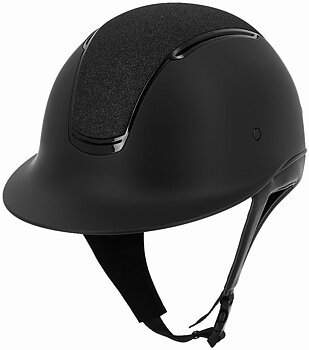
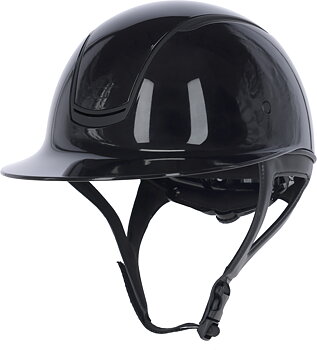
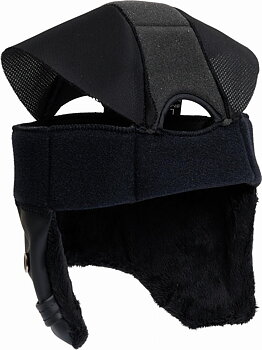
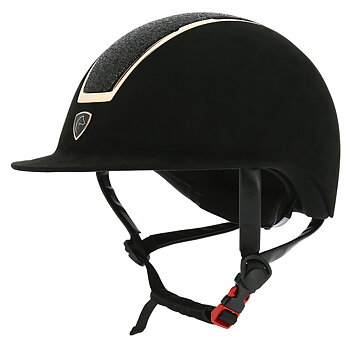
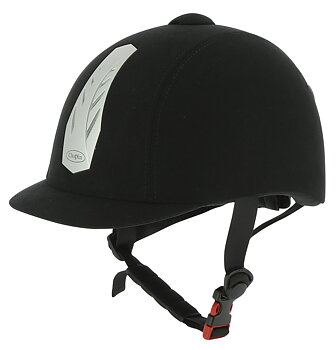
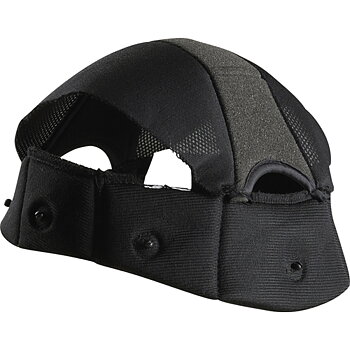
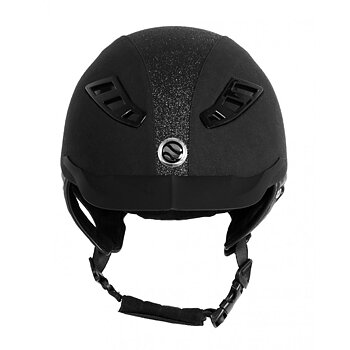
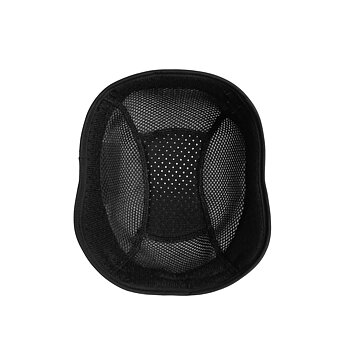
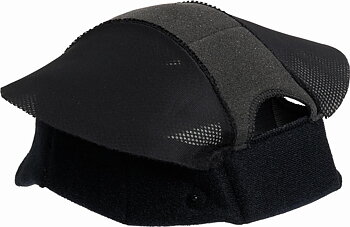



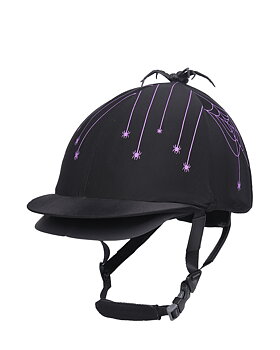

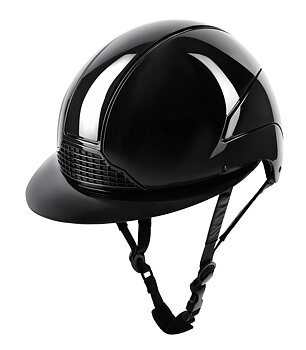
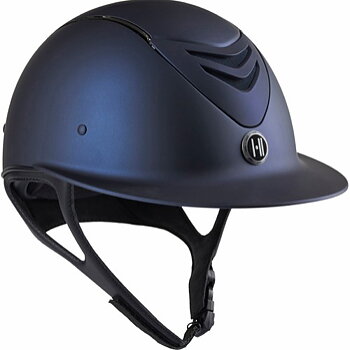
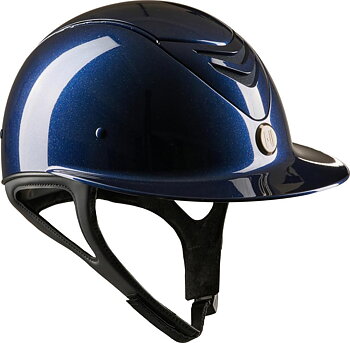
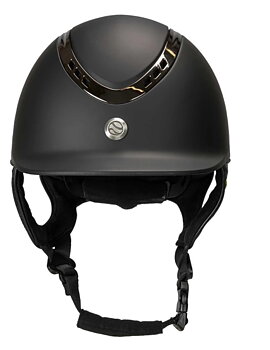
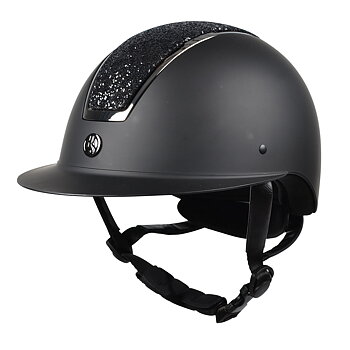
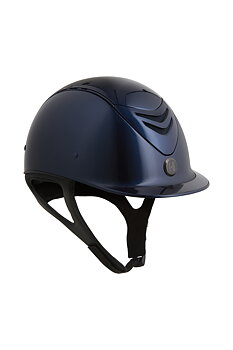
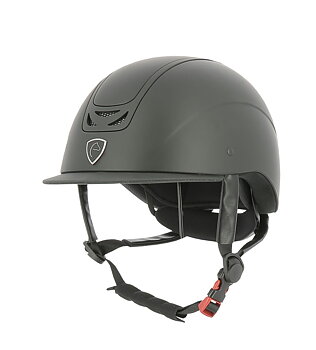
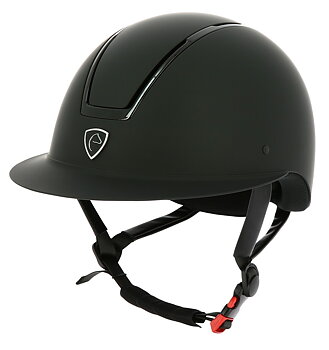
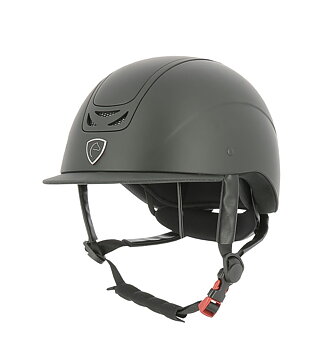
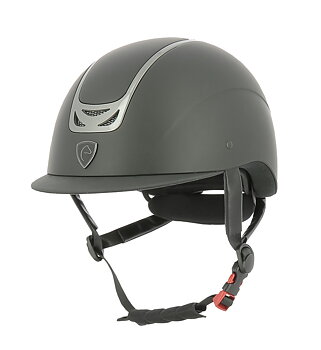
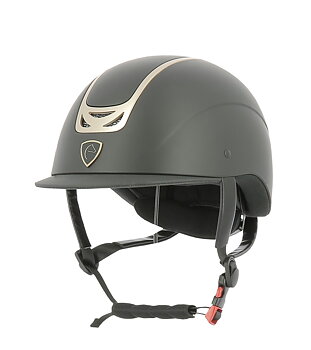
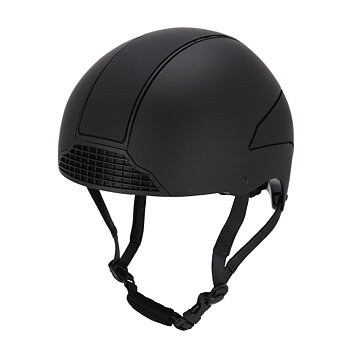
Riding helmets
A riding helmet is the single most important piece of safety equipment for any rider, regardless of experience level. It must protect the head in the event of a fall and must meet current certification standards to be approved for riding and competition. Always choose a helmet certified to VG1, PAS015 or ASTM F1163, and verify that the certification is current and valid. A new helmet is not only an investment in safety – it is the foundation of confident, focused riding.
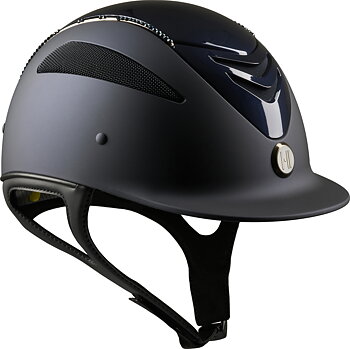
Riding helmets come in many models and styles, from classic hard-shell designs to modern ventilated competition helmets with aerodynamic profiles. MIPS technology (Multi-directional Impact Protection System) is a significant advancement that reduces rotational forces during angled impacts to the head, providing an additional layer of protection beyond standard foam absorption. Fit is critical – the helmet must sit firmly without causing pressure, and it must not shift when you shake your head. Always adjust the chin strap and retention system carefully.
Replace your riding helmet after any fall or impact, even if no external damage is visible. The internal foam liner may be compromised without any outward signs, and a damaged helmet no longer provides full protection. Helmets should also be replaced every five years, as materials and adhesives degrade over time. Store your helmet in a carry bag or in a protected location – never stack objects on top of it.
Frequently asked questions about riding helmets
What certification should a riding helmet have?
For riding and competition, a helmet must meet at least one of the recognised safety standards: VG1 (EN1384), PAS015 (British standard), ASTM F1163 (American standard) or SEI. Many European equestrian federations require VG1 or PAS015 for competition entry. Always check that the certification marking is present on the inside of the helmet. A helmet without recognised certification offers no guaranteed protection in a fall.
What is MIPS and do I need it in my riding helmet?
MIPS (Multi-directional Impact Protection System) is a low-friction layer inside the helmet designed to absorb rotational energy during angled impacts. Many riding accidents involve an angled impact to the head rather than a direct vertical strike, and rotational forces are among the most common causes of brain injury. A riding helmet with MIPS adds meaningful rotational protection on top of the standard crush-absorbing liner. It is a recommended choice for any rider seeking to maximise their level of protection.
How do I know if my riding helmet fits correctly?
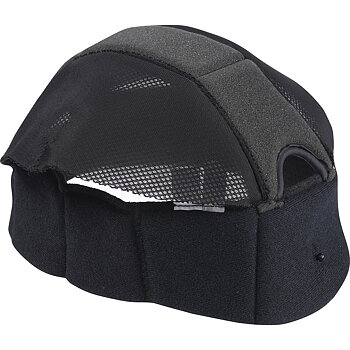
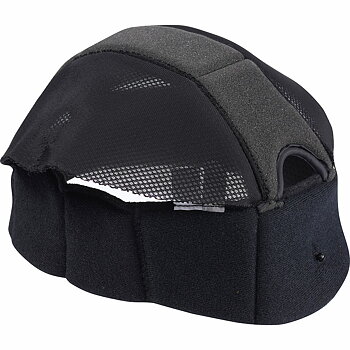
A correctly fitted riding helmet should sit horizontally on the head, no more than two finger-widths above the eyebrows. The chin strap should be fastened with room for just one finger between the strap and chin. The helmet must not rock or shift when you shake your head or nod. Always try helmets on in person and adjust the inner liner padding and retention dial until the helmet sits evenly and comfortably across the entire head.
How long does a riding helmet last and when should it be replaced?
Most manufacturers recommend replacing a riding helmet every five years, even without visible damage, as materials and adhesives age and weaken over time. A riding helmet should be replaced immediately after any fall or significant impact, regardless of whether visible damage can be seen – the inner liner may have been compromised. Store the helmet dry and away from direct sunlight and chemicals that could accelerate material degradation.
Are there riding helmets specifically for children?
Yes, there are riding helmets designed specifically for children and young riders in sizes suited to smaller heads. Children's helmets must meet the same certification standards as adult helmets and should be selected with equal care regarding fit and chin strap adjustment. Choose a model with an adjustable inner liner so the helmet can be adapted as the child grows, without becoming too loose. A well-fitting children's helmet is just as important as an adult one – safety is never a compromise.