 Large selection

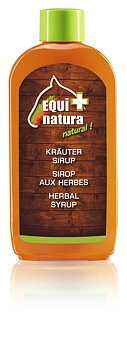



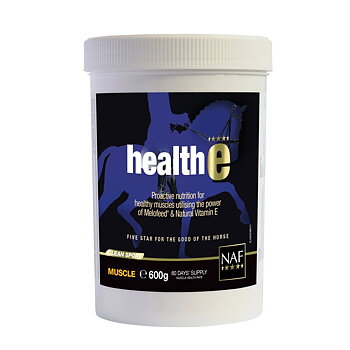
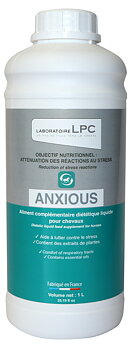
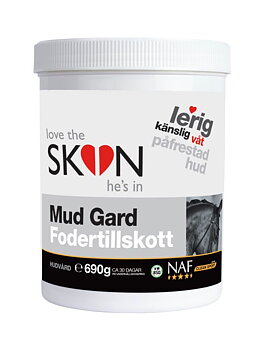

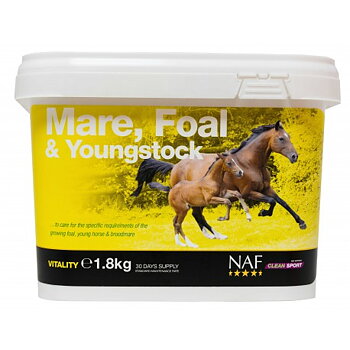
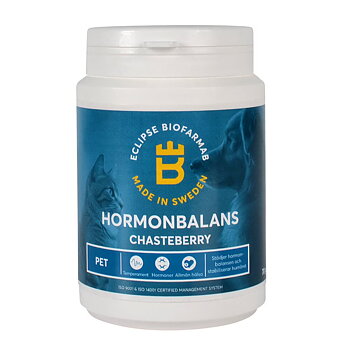



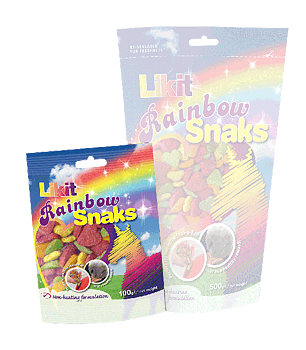
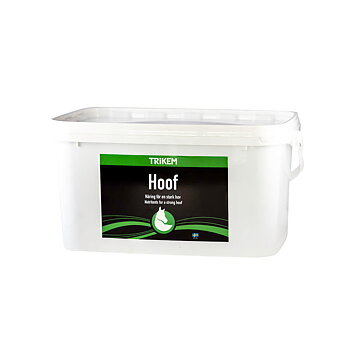
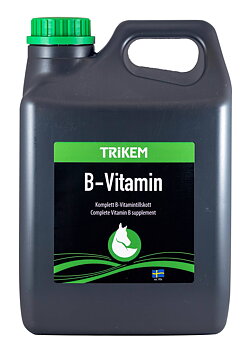


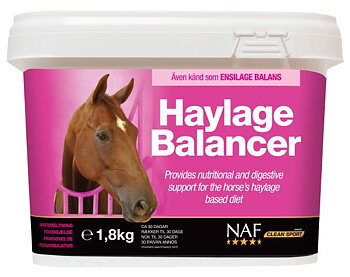
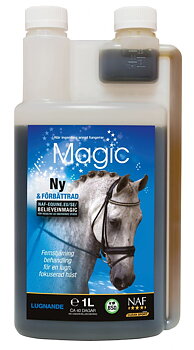
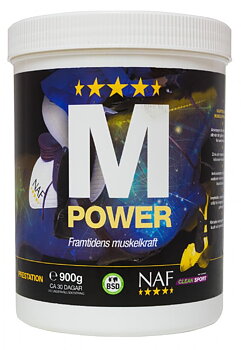
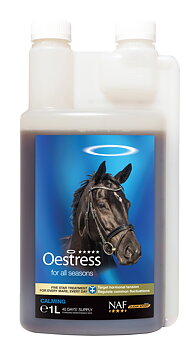




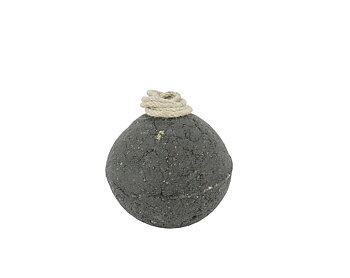
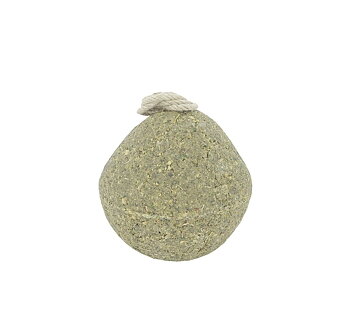
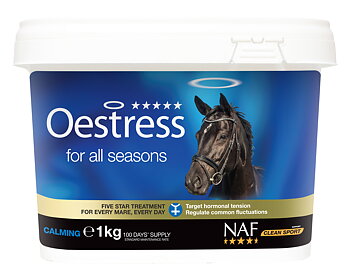

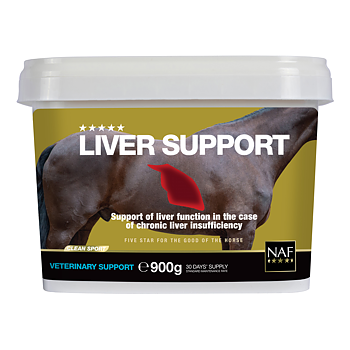

Horse Supplements & Vitamins
Horses have complex nutritional needs that shift with the seasons, workload and life stage. Even a well-managed forage-based diet may fall short of supplying every essential micronutrient — especially during intensive training, pregnancy or recovery. High-quality supplements and vitamins bridge those nutritional gaps and contribute to visible improvements in coat condition, hoof strength, joint mobility and overall vitality. Providing targeted nutritional support is one of the most impactful investments you can make in your horse's long-term health.
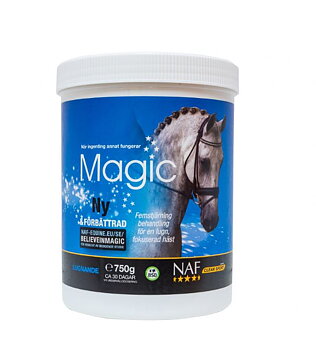
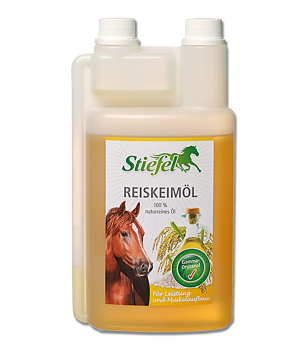
Our range of horse supplements and vitamins covers a wide spectrum of needs. You will find fat-soluble vitamins A, D and E alongside water-soluble B-complex formulas, and key minerals including calcium, magnesium, zinc and selenium. Products are available in pellets, powder, liquid and palatable chew forms. Specialist formulas target joint and cartilage support, muscle development and recovery, skin and hoof condition, digestive and gut health, immune system function, and electrolyte replenishment for horses in hard work. There are also broad-spectrum multivitamin and mineral balancers suited to horses with modest forage intakes.
Choose supplements based on your individual horse's needs, forage analysis and, where appropriate, veterinary advice. Browse our carefully selected range and find the right nutritional support for your horse — whether you compete at the highest level or enjoy relaxed leisure riding. Read the product descriptions carefully and choose a supplement matched to your horse's age, workload and any specific health requirements. Do not replace the entire feed programme without veterinary guidance – supplements are intended to complement, not replace, a well-balanced base diet. With the right supplement, you may notice improvements in condition, coat and movement quality within just a few weeks.
Frequently asked questions about horse supplements & vitamins
Why do horses need supplements if they are already eating hay and forage?
Hay and forage form the foundation of a horse's diet but cannot always meet every nutritional requirement. The mineral content of forage varies considerably depending on soil composition, growing conditions and harvesting time, meaning deficiencies in selenium, zinc or vitamin E can easily develop. Horses in heavy work also have elevated requirements for certain vitamins and minerals that forage alone cannot supply. Supplements are a practical and reliable way to ensure complete, balanced nutrition throughout the year.
How do I know which supplement is right for my horse?
The most accurate approach is to have your forage analysed and, if indicated, arrange a blood test to identify actual deficiencies rather than guessing. Working horses, pregnant or lactating mares, young stock and senior horses tend to have the most specific and elevated nutritional needs. A qualified equine nutritionist or veterinarian can interpret test results and recommend a targeted supplementation plan. Starting with a broad-spectrum vitamin and mineral balancer is often a sensible first step when a full assessment is not yet available.
Can I give my horse too many vitamins and minerals?
Yes, over-supplementation is possible and can be harmful in certain cases. Fat-soluble vitamins such as A and D are stored in body tissues and can accumulate to toxic levels if consistently provided in excess over a long period. Water-soluble vitamins are more readily excreted but should still not be given in unnecessarily high doses. Always follow the recommended feeding rates on the product label and avoid combining multiple supplements that contain overlapping nutrients without first calculating the total daily intake.
What supplements are commonly used for horses with joint concerns?
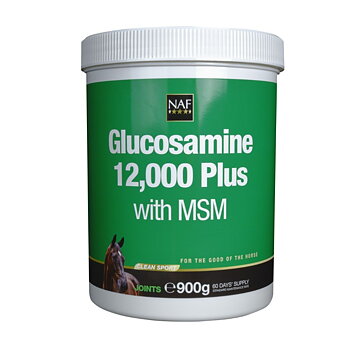
For horses experiencing joint stiffness or reduced mobility, glucosamine and chondroitin are widely used active ingredients that support cartilage structure and help moderate inflammatory responses. MSM (methylsulfonylmethane) is a sulphur-containing compound frequently combined with these to support connective tissue and freedom of movement. Omega-3 fatty acids derived from sources such as linseed have well-documented anti-inflammatory properties and may contribute positively to overall joint comfort. Always discuss joint supplement choices with your veterinarian, particularly if your horse is already receiving prescribed medication.
How long does it take to see results from a horse supplement?
The timeframe varies depending on the type of supplement and the specific need being addressed. Electrolyte products can produce noticeable effects within hours when used to support recovery after strenuous exercise or during hot weather. Supplements targeting coat quality, hoof integrity or joint comfort typically require a consistent feeding period of at least four to eight weeks before meaningful changes become apparent. Broad-spectrum vitamins and minerals intended to correct deficiencies may need to be fed for several months before the full benefit is observed. Patience and consistent use are essential for a fair assessment.