 Large selection

Stable cameras and surveillance equipment for horses
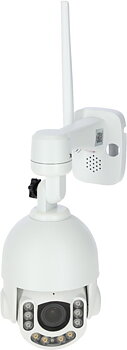
Being able to monitor your horse around the clock provides peace of mind and the ability to react quickly in the event of illness, foaling or abnormal behaviour. A stable camera is one of the most valuable tools for the horse owner who cannot always be on site in person. Modern IP cameras for stables are built to handle dusty and humid environments with ammonia exposure, and they deliver sharp real-time footage directly to your mobile phone or computer regardless of where you are. The range includes wireless WiFi cameras for individual boxes, PoE cameras for larger stable buildings with a wired network, night vision cameras with infrared technology for dark stable environments, and complete camera systems with NVR and hard drive for those who want a recording history and centralised monitoring of the entire facility.
When choosing a stable camera it is important to consider the ingress protection rating, image sensor and mounting options. IP65-rated cameras are a minimum for stable use as they protect against dust ingress and water spray. A starlight or colour night vision camera delivers detailed images even in low light without disturbing the horse with blinking indicators. Wide-angle cameras with a 110–130 degree field of view cover an entire box from a single mounted position and reduce the number of cameras required. For those who want full control, systems with motion detection and push notifications to the phone provide active monitoring that automatically alerts you when the horse moves unusually in the box at night.
Installation and cable routing in a stable requires care to ensure the horse's safety. Always mount the camera out of the horse's reach and protect all cables in conduit along walls and ceilings. Wireless battery-powered cameras are a flexible option that eliminates cables but requires regular charging. Choose your storage option based on your needs — a local SD card is sufficient for a single camera while a network of several cameras benefits from a central NVR with a generous hard drive. Explore the range and find the stable camera that suits your facility and gives you confidence to keep an eye on your horse when you are not on site.
Frequently asked questions about stable cameras
What type of camera is best suited for a horse stable?
A stable camera must withstand the challenges of the stable environment: dust, moisture, ammonia from urine and large temperature fluctuations. IP cameras with an ingress protection rating of IP65 or higher are suitable as they are dustproof and protected against water spray. Night vision cameras with infrared illumination or a starlight sensor provide clear images even in a dark stable without disturbing the horse with visible light. Choose a camera with a wide-angle lens that covers the entire box from a mounted position in the ceiling or high on the wall.
Can I view the stable camera on my mobile phone?
Yes, most modern stable cameras are WiFi cameras or connect via a network and come with an accompanying app that allows you to watch live footage and recorded clips directly on your mobile phone or computer. Make sure the stable has sufficient WiFi coverage or add a network extender for a stable connection. Many cameras support push notifications on motion detection, meaning you are automatically alerted if the horse moves unusually during the night.
How do I install a camera in the horse box without risking injury to the horse?
Mount the camera out of the horse's reach — at least 2.5 metres up on the wall or in the ceiling — so the horse cannot bite or knock the equipment. Conceal cables in protective conduit or run them along ceiling beams and walls outside the box. Choose a camera with a compact and rounded design without protruding parts that could injure the horse should it unexpectedly reach the unit. Wireless battery-powered cameras eliminate cable issues entirely but require regular charging or battery replacement.
What should I consider regarding storage of video recordings?
Stable cameras can store recordings locally on a microSD card inside the camera, on a network-attached hard drive (NVR/NAS) or in the cloud via a subscription service. A local SD card is simple but has limited capacity and can be lost in a theft. Cloud storage provides access wherever you are but involves an ongoing cost. An NVR with a multi-terabyte hard drive is common in stables with several cameras and provides a long recording history without a recurring fee. Decide how many days of history you want to retain and choose your storage option accordingly.
Is one camera enough to monitor an entire stable?
It depends on the size and layout of the stable. A camera with a wide-angle lens can cover a single box or a small stable with an open layout. If you have a stable with several separate boxes along a corridor, one camera per box is recommended so you can see each horse individually. Consider adding a camera aimed at the stable aisle, the entrance and any feed rooms. Multi-camera systems with a central NVR provide the best overview and also make it easier to investigate incidents afterwards.