 Large selection
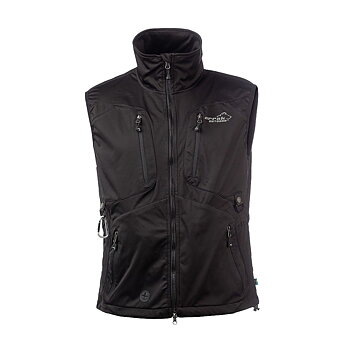
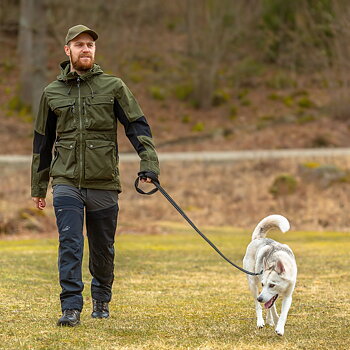
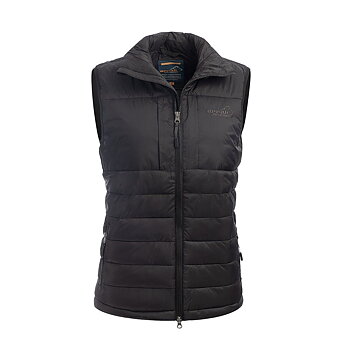
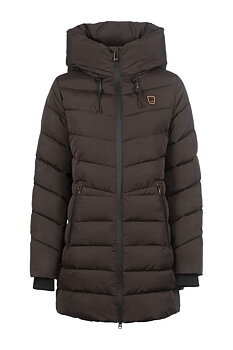
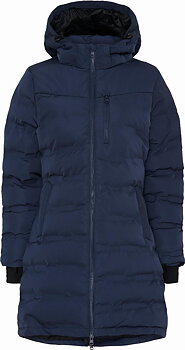
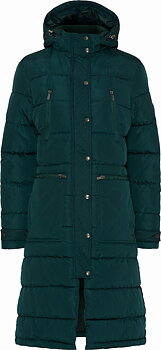
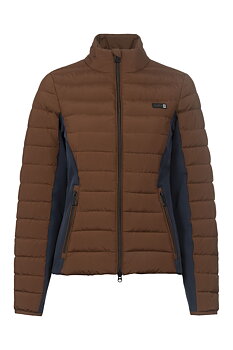
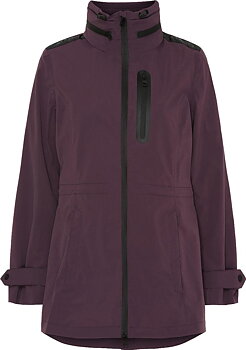
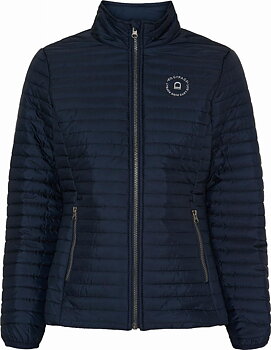
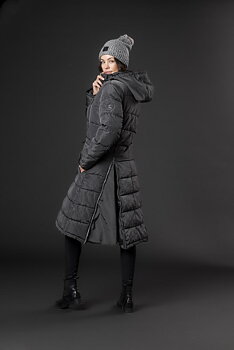
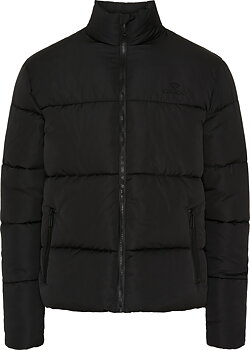
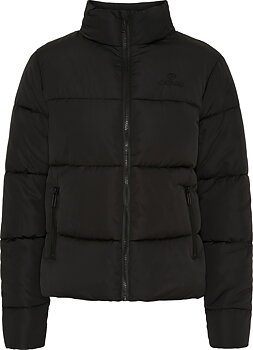
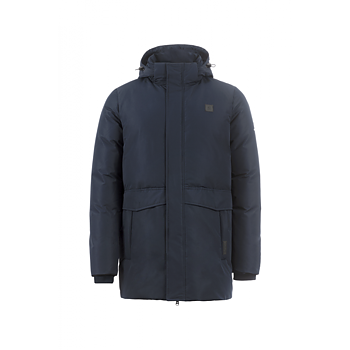
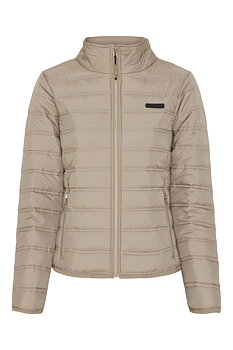
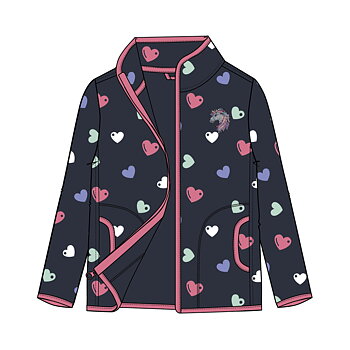

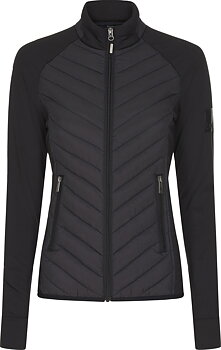


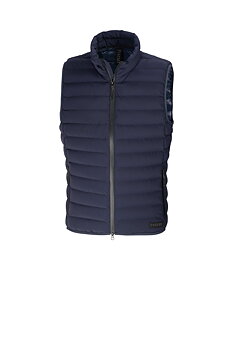
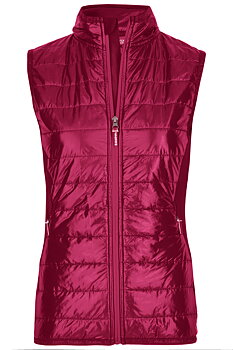

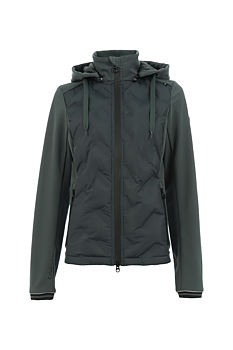
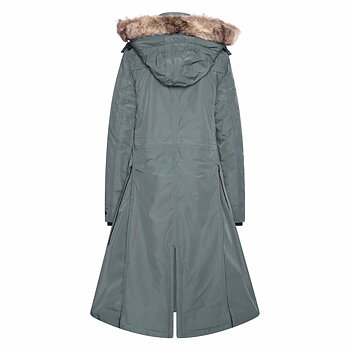

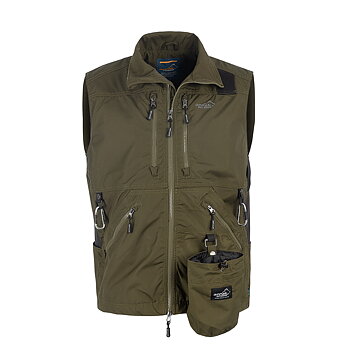
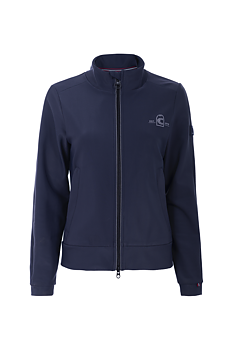
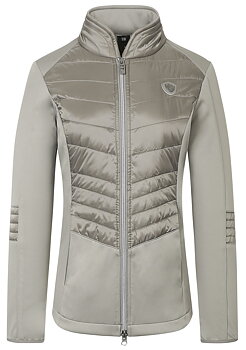

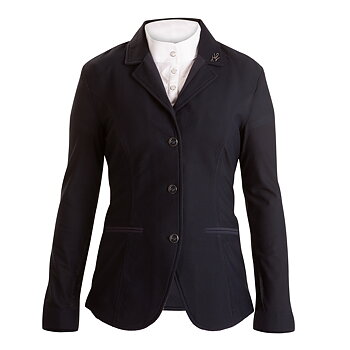
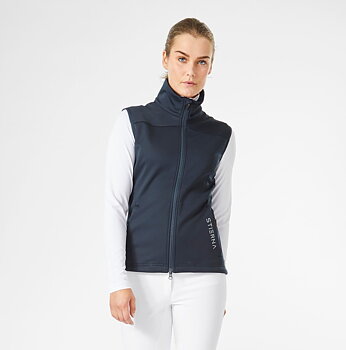
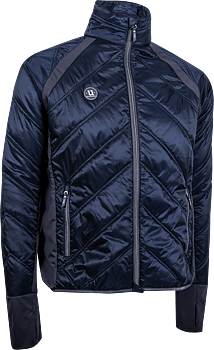
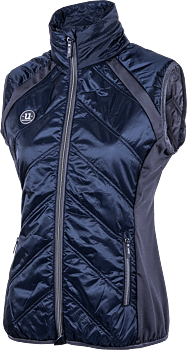
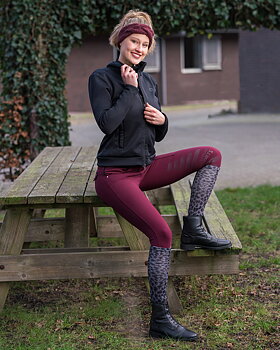
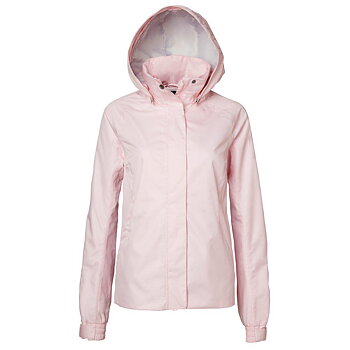
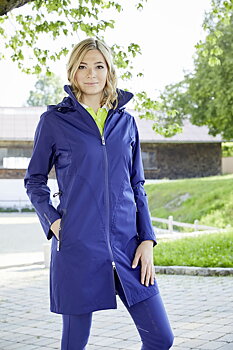
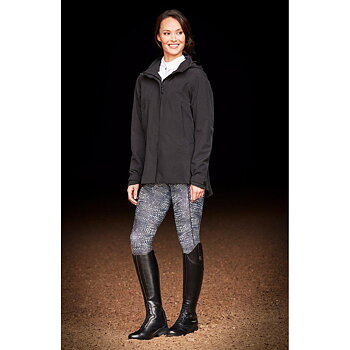
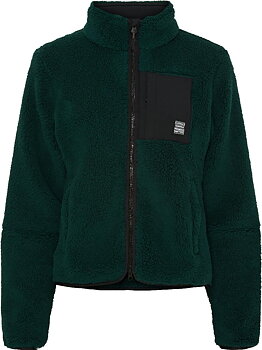
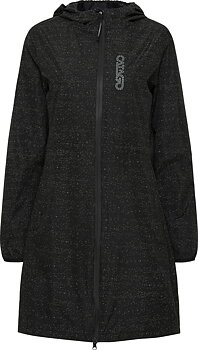
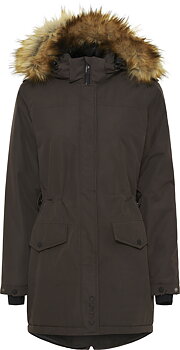
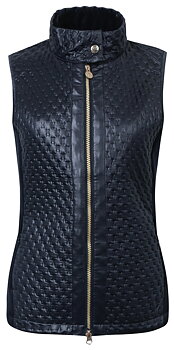
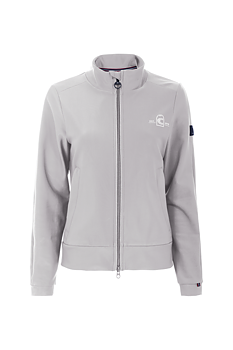
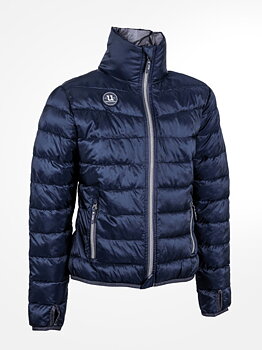
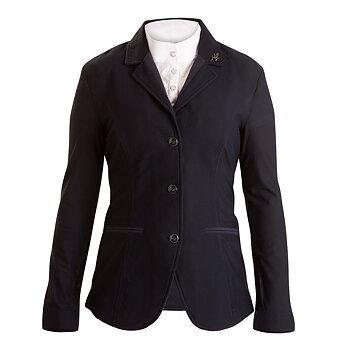
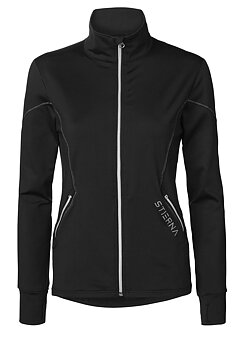
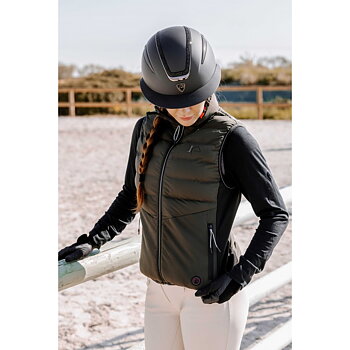
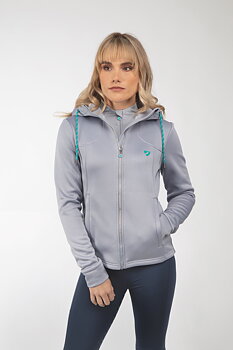
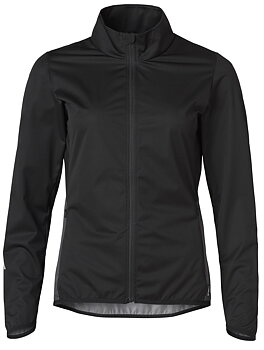
Riding jackets & vests
A riding jacket or riding vest is the key outer layer in any rider's wardrobe, and choosing the right one makes a significant difference to comfort and freedom of movement in the saddle. Riding jackets are cut to accommodate the rider's posture and the full range of arm movement required when riding, without riding up or restricting motion. They typically combine technical wind- and water-resistant fabrics with stretch panels that keep you warm and dry without compromising mobility.
Riding vests are a popular alternative during warmer months or as a mid-layer beneath a jacket. They provide warmth and wind protection for the core and torso without sleeves that could restrict arm movement. Lightweight, packable designs are ideal as an extra layer when weather or temperature changes during a session. Fleece vests offer soft warmth for training, while padded models handle cooler temperatures with ease.
Whatever the season and discipline, there are riding jackets and vests to suit every need: softshell jackets for breezy days, rain jackets for wet outdoor sessions, and lightweight jackets for mild autumn weather. Pay attention to jacket length – a riding jacket should cover the lower back and not ride up in the saddle. The back hem is typically longer than the front to ensure coverage in a seated position, providing better insulation and a more polished look.
Frequently asked questions about riding jackets & vests
What makes a riding jacket different from a regular jacket?
A riding jacket is cut to suit the posture and movement of a mounted rider. This means a longer back hem that covers the lower back when leaning forward in the saddle, stretch panels under the arms and in the back for full freedom of movement, and typically a slim fit that does not bunch in the saddle. Regular jackets are cut for upright walking posture and tend to ride up or create excess fabric behind you in the saddle.
Can I ride in a softshell jacket?
Yes, softshell jackets are an excellent choice for riding in cool or breezy conditions thanks to their wind resistance, light water repellency and stretch properties. They allow full freedom of movement and breathe better than waterproof hard shells, making them comfortable for active riding. Choose a model that is cut for riding with a longer back hem. In heavy rain, you will need to add a waterproof outer layer on top.
How do I choose the right size for a riding jacket?
Choose a riding jacket with enough room to wear a thin mid-layer underneath, but not so large that it bunches or folds in the saddle. Shoulder width and sleeve length are the key fit points – the shoulder seam should sit exactly at the shoulder edge, and the sleeves should be long enough when you extend your arms into riding position. Always try the jacket with your arms reaching forward and in saddle position, not just standing upright.
Are riding vests warm enough for winter?
It depends on the model and temperature. Padded vests with synthetic fill provide good core warmth and work well as a mid-layer in milder winter temperatures, while thin fleece vests are sufficient for autumn and early winter. In very cold temperatures, a riding vest is best combined with a windproof outer jacket on top and a thermal base layer underneath. The freedom of arm movement makes vests popular among riders who prefer sleeveless layering.
How do I care for and wash my riding jacket?
Always follow the care instructions on the garment. Most softshell and fleece jackets are machine washable at 30–40°C on a delicate cycle. Waterproof jackets with DWR treatment should not be washed with standard detergent – use a specialist technical fabric cleaner. Tumble drying on low heat can help reactivate the DWR coating, but always check the manufacturer's instructions. Avoid fabric softener with all technical garments.