 Large selection
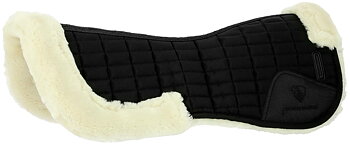
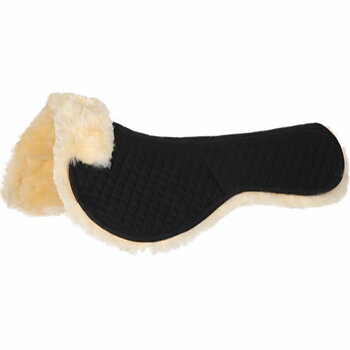
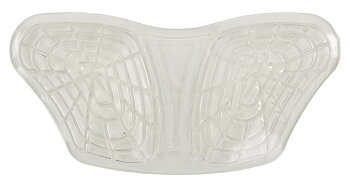
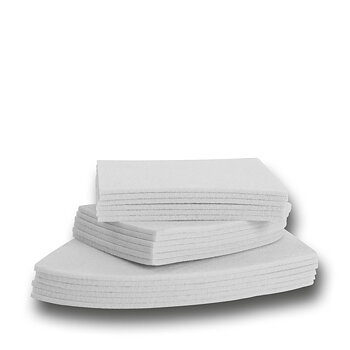
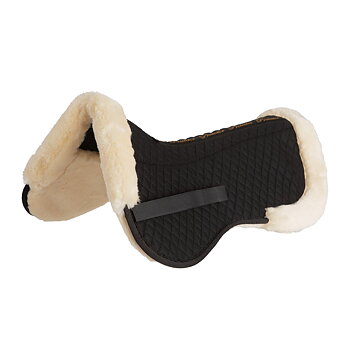
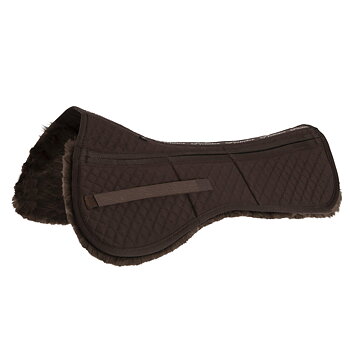
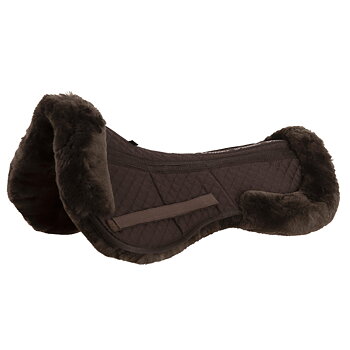
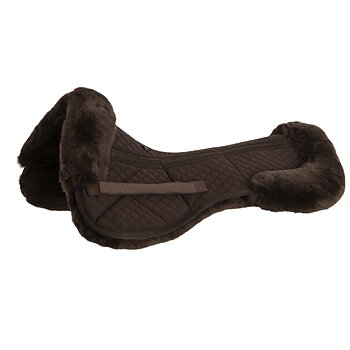
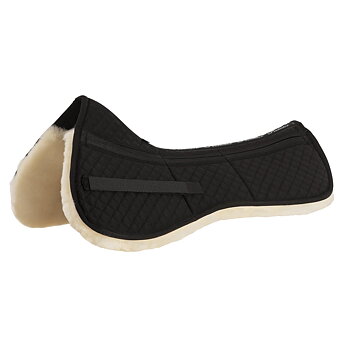
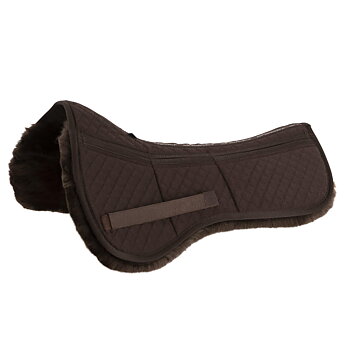
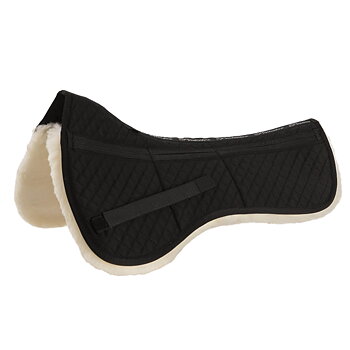
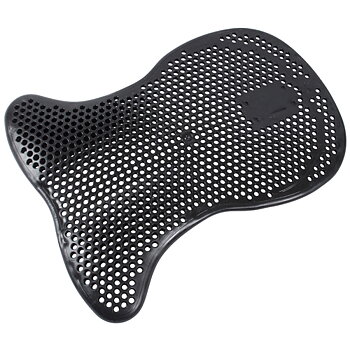
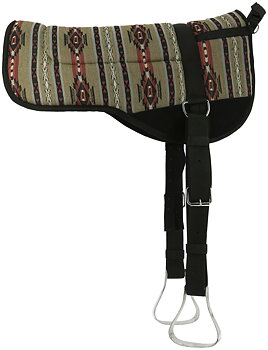
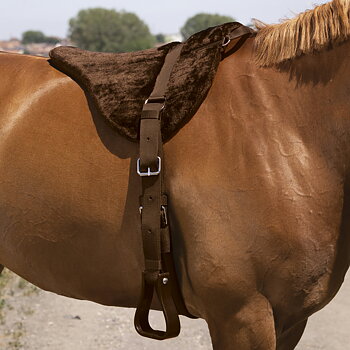
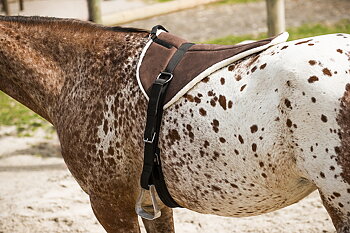
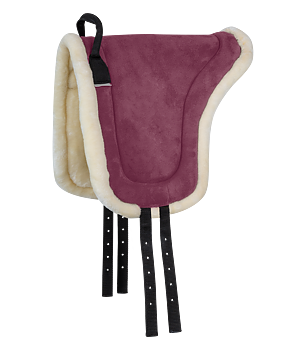

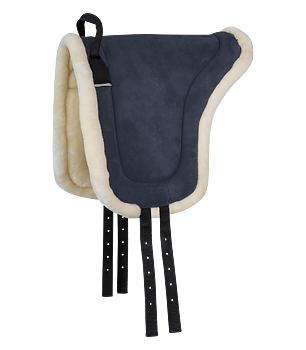
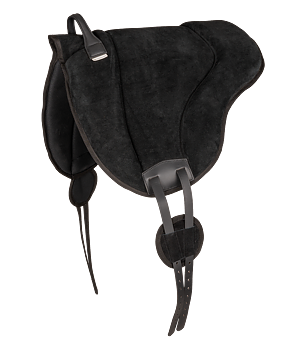
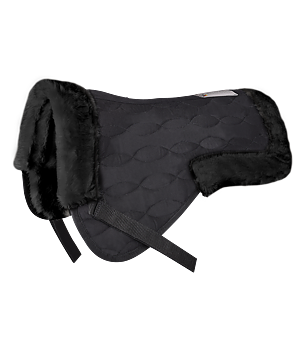
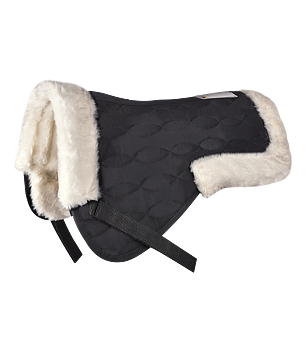
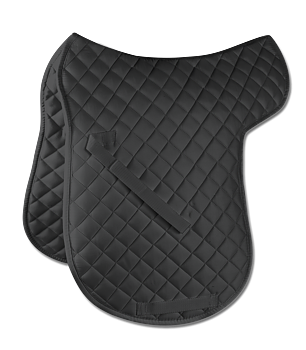
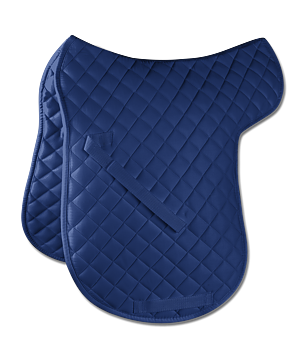
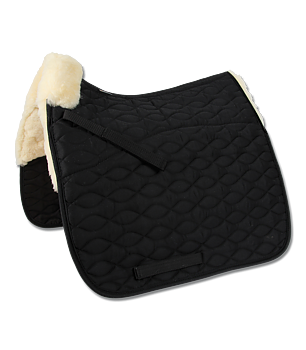
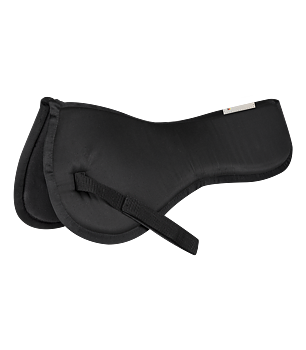
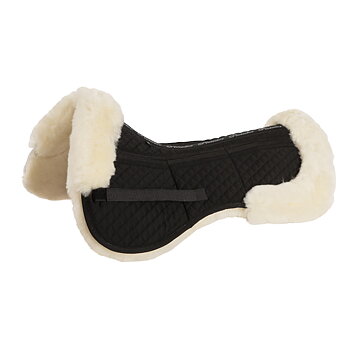
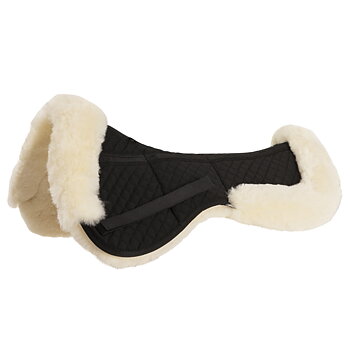
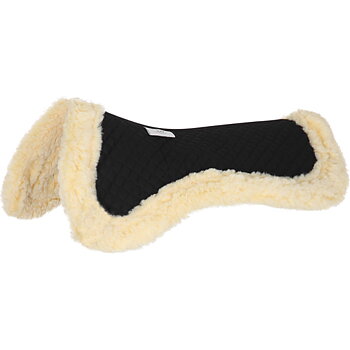
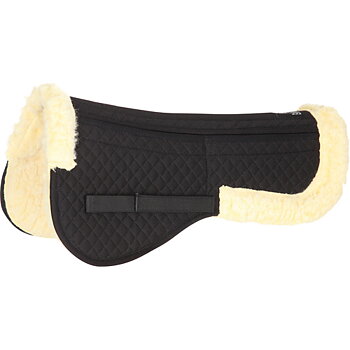
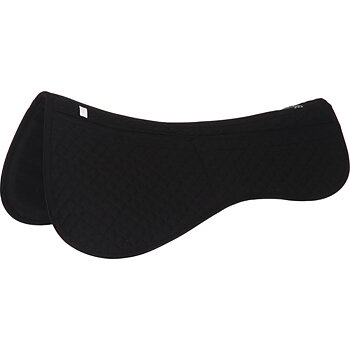
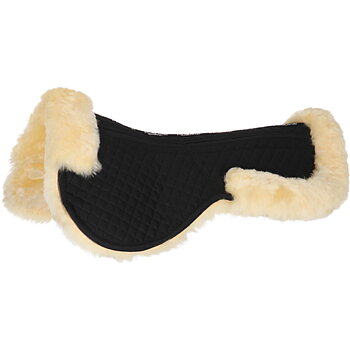
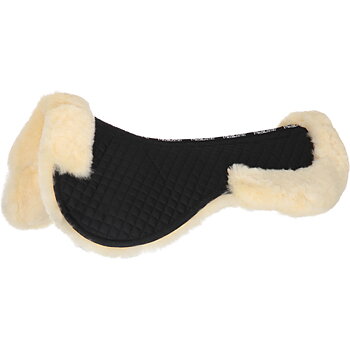
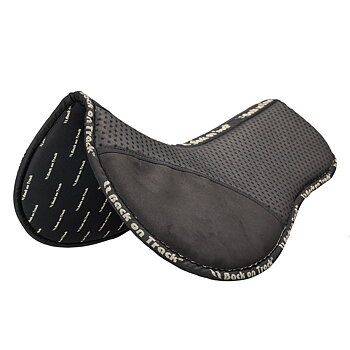
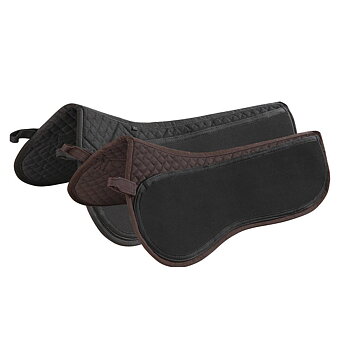
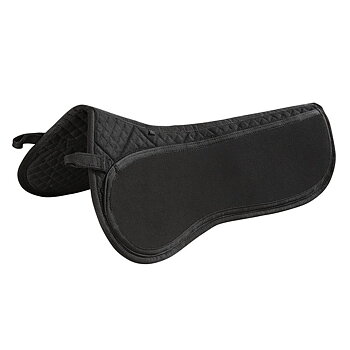
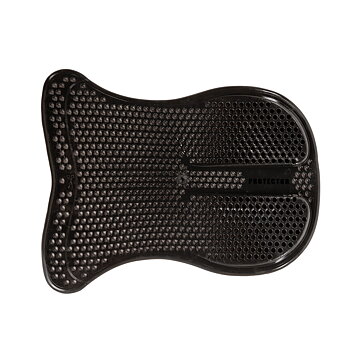
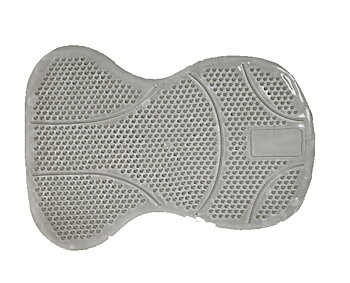
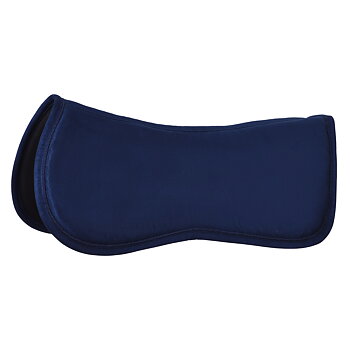
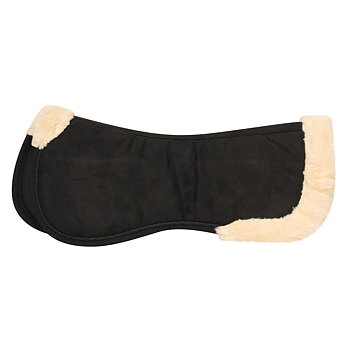
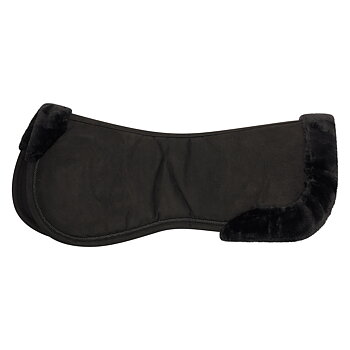
Pads & Sheepskin Pads
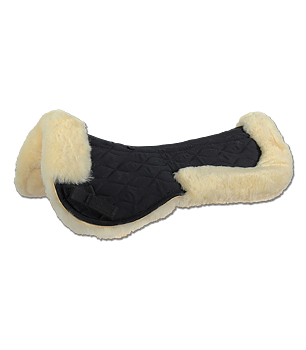
Every horse deserves a saddle that fits well, but even the most precisely fitted saddle benefits from a quality pad underneath. Saddle pads and sheepskin products serve as a crucial interface between the horse's back and the saddle tree, distributing pressure evenly, absorbing shock, and wicking away sweat. Genuine sheepskin has been trusted by equestrians for generations: the natural wool fibres are resilient, highly breathable, and create a microclimate that keeps the skin cool in summer and warm in cold conditions. Synthetic sheepskin alternatives replicate these tactile properties in a machine-washable form, making daily maintenance straightforward and convenient.
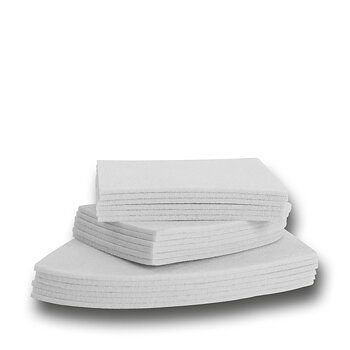
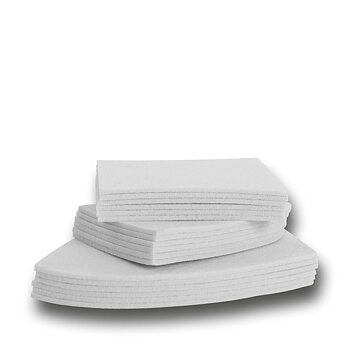
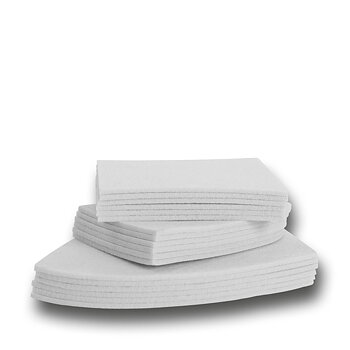
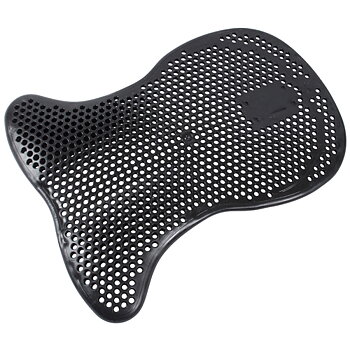
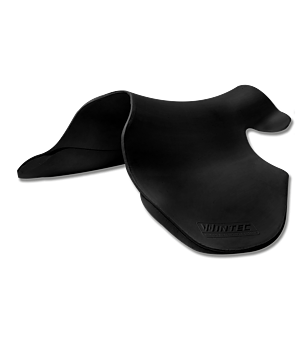
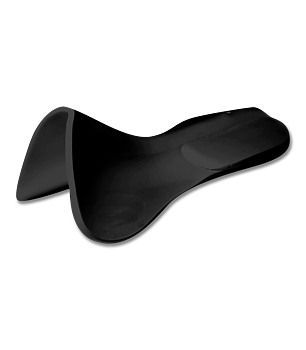
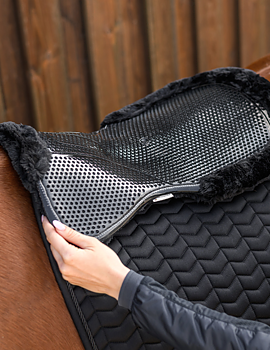
For horses with saddle-fit challenges or uneven musculature, correction pads and shimming inserts offer a targeted solution. By adding thickness in specific zones, they can temporarily balance the saddle until a professional re-flocking or re-fitting appointment is possible. Gel pads are particularly effective at dampening the repeated concussive forces generated during jumping or extended canter work, and they are well suited to horses with a sensitive or rehabilitating back. High-density foam pads provide consistent, firm support and hold their shape over many hours of riding. Choosing the right product involves considering the horse's conformation, the type of work performed, and the existing saddle fit — a thin half-pad may suffice where the saddle already sits correctly, while a thicker anatomical option may benefit a horse in recovery.
Proper care is essential to preserve both the function and hygiene of saddle pads and sheepskin products. Genuine sheepskin should be hand-washed or machine-washed on a wool programme using a gentle detergent, then shaped by hand and air-dried away from direct heat or sunlight. Synthetic versions generally tolerate a cool machine wash and dry more quickly. It is vital that the pad is completely dry before each use to prevent bacterial growth and skin irritation. Regular brushing of natural wool keeps the fibres open and springy, maintaining the cushioning properties that make sheepskin such an effective material. With consistent care, a high-quality pad will provide lasting comfort for both horse and rider across many seasons of work.
Frequently Asked Questions about Pads & Sheepskin
What is the difference between genuine and synthetic sheepskin?
Genuine sheepskin comes from natural wool fleece and offers superior temperature regulation and moisture-wicking properties that are difficult to replicate synthetically. Synthetic sheepskin is made from microfibre or polyester pile and closely mimics the softness of wool while being easier to launder and quicker to dry. Both materials protect the horse's back from friction and pressure, and both are suitable for everyday riding. The choice typically comes down to how frequently you need to wash the pad and whether you prefer natural or man-made materials.
How do I choose the right pad thickness for my horse?
A thin pad of around 10–15 mm is usually sufficient for a well-fitting saddle and a horse with a strong, well-developed back. A medium thickness of 20–25 mm suits horses that need additional shock absorption or have a more sensitive back. Thicker correction pads and shimming inserts are used when the saddle needs to be raised in a particular area to equalise pressure. It is advisable to consult a qualified saddle fitter before introducing correction pads, as incorrect shimming can create new pressure points.
Can gel pads be used for all riding disciplines?
Gel pads work well across most disciplines but are particularly valued in show jumping and dressage, where the horse is subjected to repeated concussive forces and intense engagement. They are slightly heavier than foam pads, which some riders find noticeable during longer trail or endurance rides. For regular schooling and competition work, a gel pad is an excellent choice for a horse with back sensitivity. Always check that the gel is evenly distributed after each ride and that the pad has not shifted out of alignment under the saddle.
How often should I wash a sheepskin saddle pad?
Genuine sheepskin pads should be washed every four to six weeks under normal use, or sooner if they smell musty or appear heavily soiled. Synthetic versions tolerate more frequent washing and can be rinsed with water after each use to remove sweat and debris. Avoid soaking genuine sheepskin for extended periods as this can damage any leather components on the backing. Always use a detergent formulated for wool or sheepskin, and reshape the product carefully before allowing it to air-dry.
Are correction pads a permanent substitute for saddle fitting?
Correction pads are primarily a short-term measure, useful while waiting for a saddle re-fit or to compensate for rapid changes in a horse's musculature during a training programme. They do not replace professional saddle fitting and should not be treated as a long-term solution. Over-compensating with excessively thick shims can create new pressure problems and worsen existing discomfort. Use correction pads in consultation with a saddle fitter to achieve the best outcome for your horse.