 Large selection
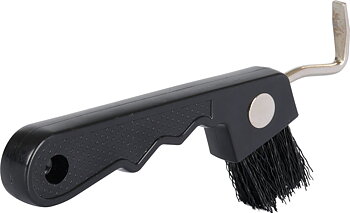
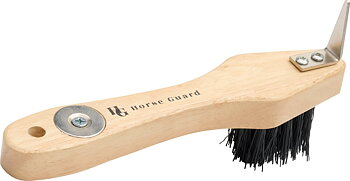
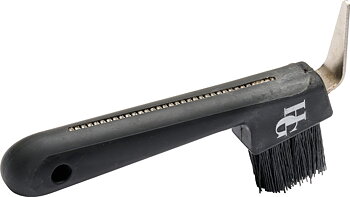
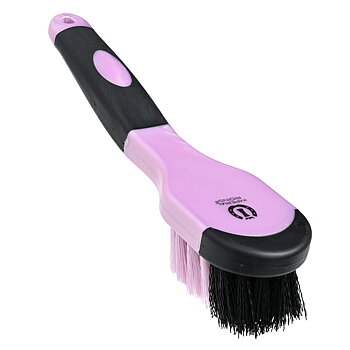


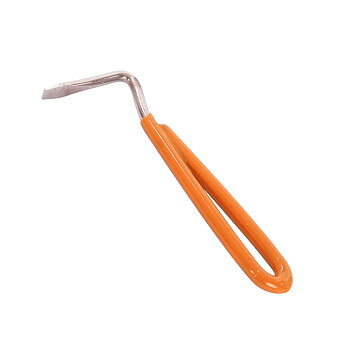
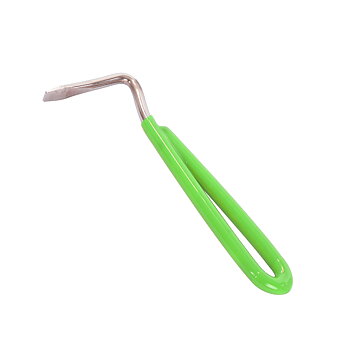
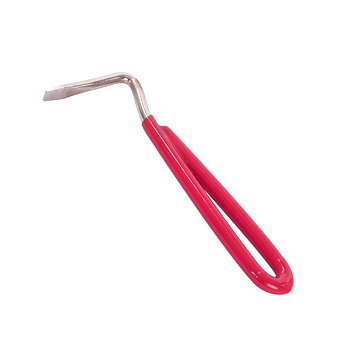
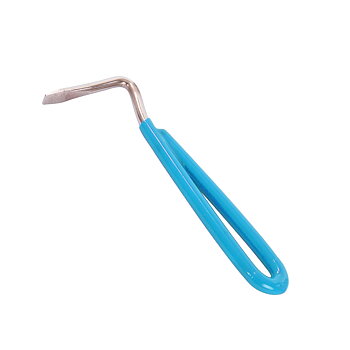
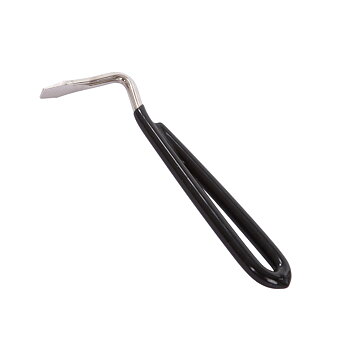
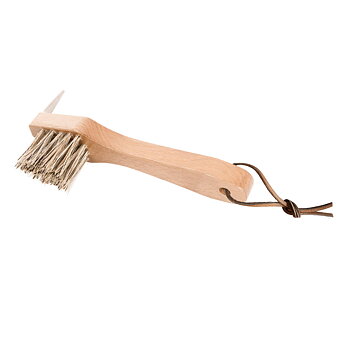
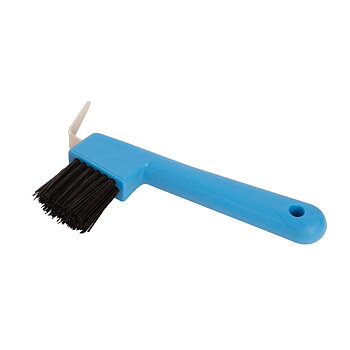
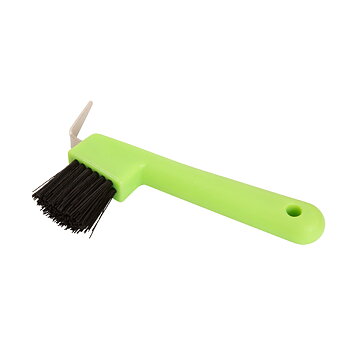
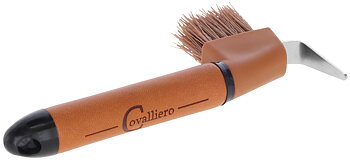
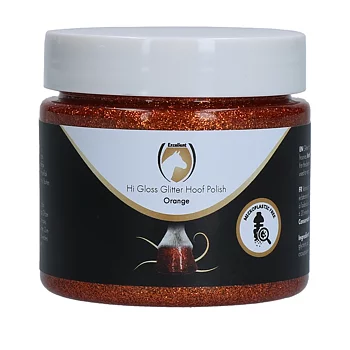
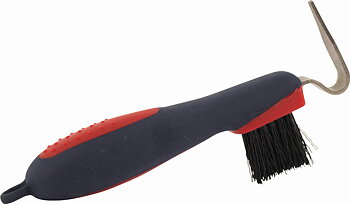
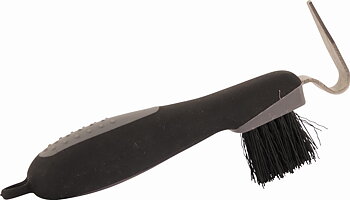
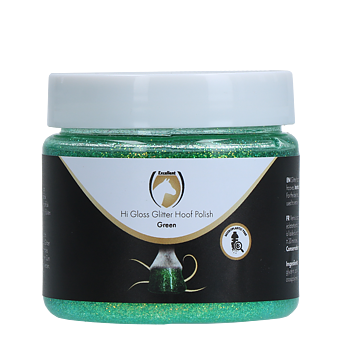
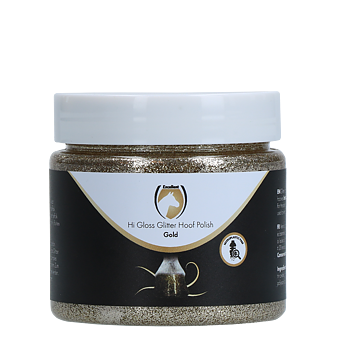
Hoof Care & Hoof Picks for horses
Hoof care is one of the most important aspects of keeping a horse sound and healthy. The hooves carry the entire weight of the horse and are subjected to constant impact and environmental stress. Daily cleaning with a hoof pick removes stones, dirt, manure and debris from the sole and frog that could cause pain, bruising, abscesses or other serious conditions if left unattended. A hoof pick should always be part of every grooming routine, used before and after riding and whenever the horse is handled. It is a small but absolutely essential tool.
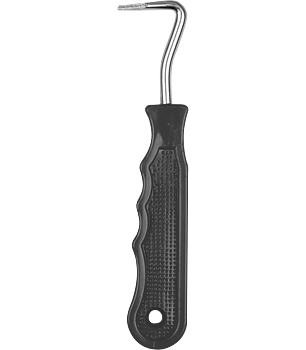
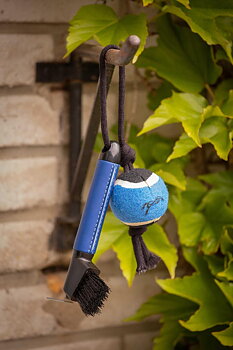
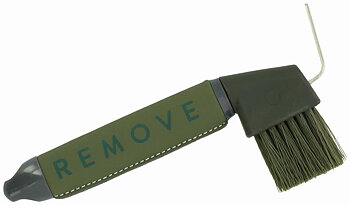
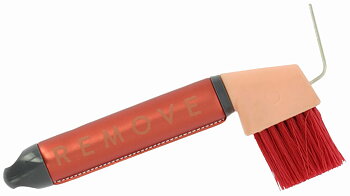
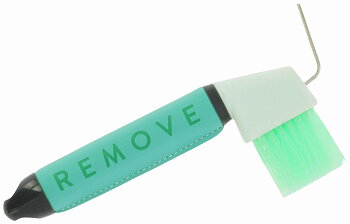
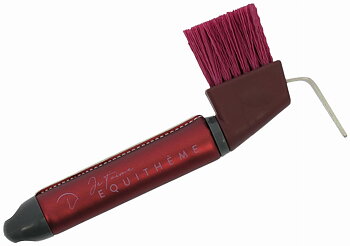
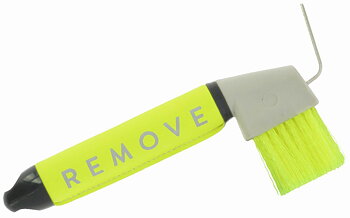
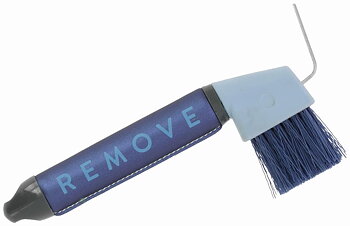
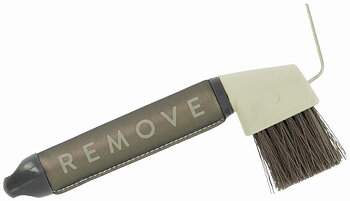
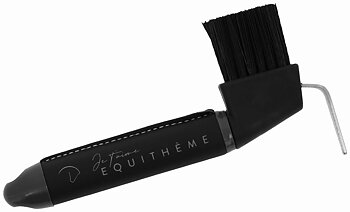
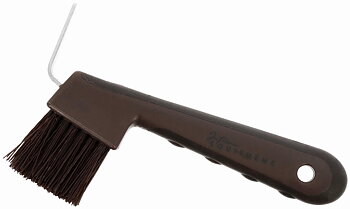
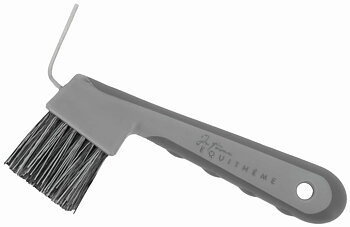
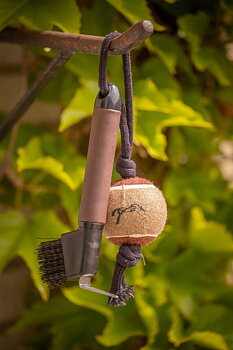
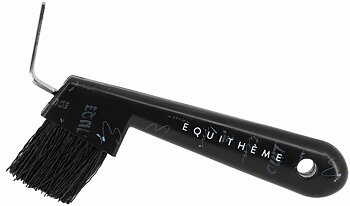
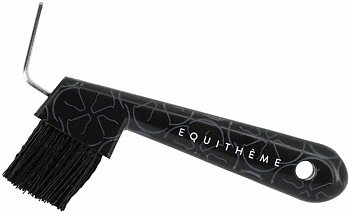
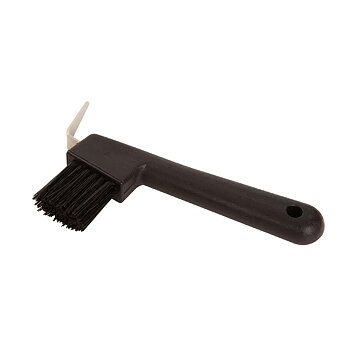
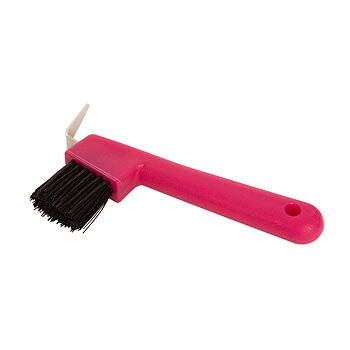
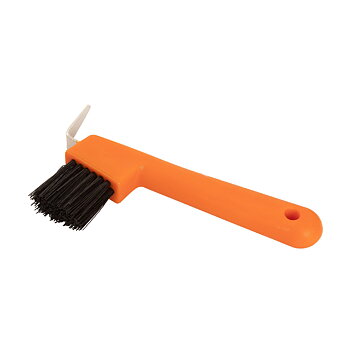
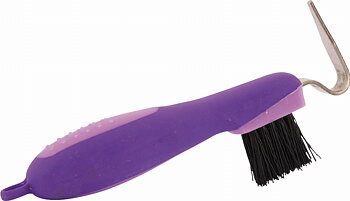
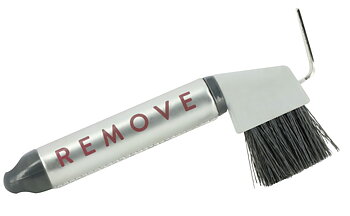
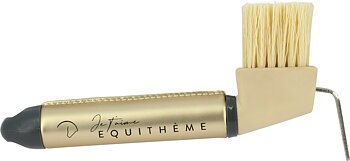
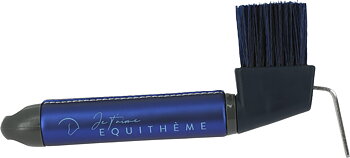
Hoof picks are available in many styles to suit different preferences and circumstances. Models with an integrated brush allow you to clean and finish in a single step – the pick removes compacted debris while the brush clears away remaining dust and dried material. Metal picks are durable and effective, while plastic or combination models are often lighter and kinder on the hands during extended sessions. Ergonomically designed handles with a non-slip grip make picking out easier, particularly in wet conditions. Having several picks available in the grooming area ensures that one is always within reach when you need it.
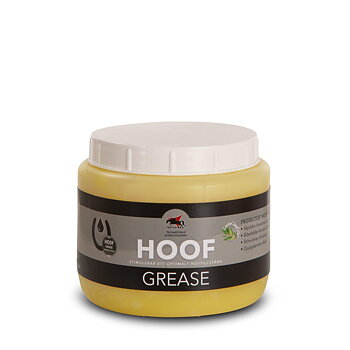
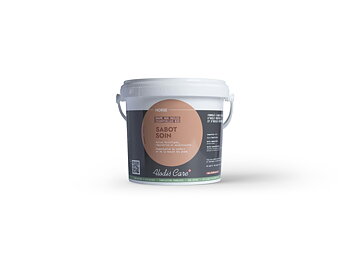
Beyond daily picking, a comprehensive hoof care programme includes regular farriery visits for trimming and shoeing, monitoring the moisture balance of the hoof wall, and applying hoof oil or conditioner when the hoof is excessively dry or brittle. The frog, sole and hoof wall all play important structural and functional roles and should be inspected closely at every handling. Learning to recognise the early signs of thrush, white line disease or other hoof conditions allows you to seek appropriate treatment before the problem worsens. Good hoof care is the single most effective way to prevent lameness and to maintain the horse's long-term soundness and performance.
Frequently asked questions about hoof care and hoof picks
How do you pick out a horse's hooves correctly?
Use a hoof pick to clean from the heel towards the toe, working carefully around the cleft of the frog and the grooves on each side. Apply gentle but firm pressure to dislodge packed dirt, stones and manure. Pay close attention to the central and lateral sulci of the frog, as these are the most common sites for thrush. Finish with the brush attachment if available, or use a separate hoof brush to remove dust and fine debris. Always check for any cuts, heat, unusual odour or changes in the hoof's appearance.
What are the signs of thrush in horses?
Thrush is a bacterial infection that affects the frog and the grooves around it. It is characterised by a dark, tarry, foul-smelling discharge in the sulci of the frog. Affected tissue may be soft, crumbly or have a blackish discolouration. In more advanced cases the horse may show sensitivity or pain when the area is touched, and in severe cases it can cause lameness. Thrush is most common in horses kept in wet, unhygienic conditions and is prevented primarily through regular hoof picking and maintaining a clean, dry environment.
Should you use hoof oil on every horse?
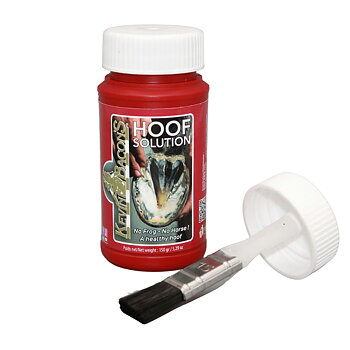
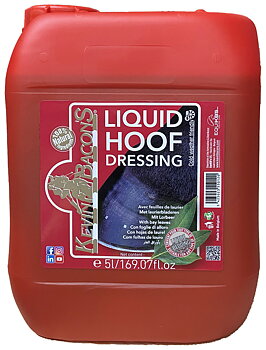
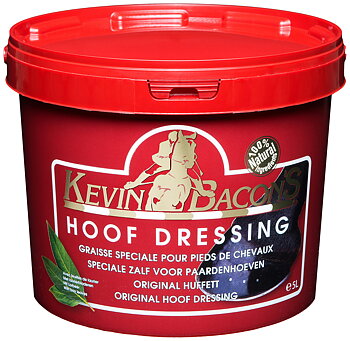
Hoof oil is most beneficial for horses with dry, brittle or cracking hooves. It is applied to the clean hoof wall, sole and frog to help maintain an appropriate moisture balance and prevent further cracking. It should not be used excessively on hooves that are already soft and moist, as over-softening the hoof horn can make it more susceptible to damage. Consult your farrier to determine whether hoof oil is appropriate for your horse and how often it should be used based on the current season and condition of the hooves.
How often should a horse be shod or trimmed?
Most horses need the attention of a farrier every six to eight weeks, though this varies depending on the individual horse, its workload, the surfaces it works on and how quickly its hooves grow. Hooves that are left too long without attention can develop incorrect angles, overgrowth and imbalances that put stress on the joints and tendons. Regular farriery is an investment in the horse's long-term soundness and should never be neglected, even in horses that are not currently in work.
How do you choose a good hoof pick?
A good hoof pick should have a sturdy metal or durable composite tip that can remove compacted debris effectively without bending or breaking under pressure. The handle should feel comfortable in the hand, ideally with a non-slip grip that works well even in wet conditions. A pick with an integrated brush is a practical choice, as it simplifies the cleaning routine. Avoid very cheap plastic picks with weak tips that can snap mid-use. It is worth keeping a spare in both the grooming kit and the stable or field shelter so one is always accessible.